
How to Do ABA Therapy at Home?

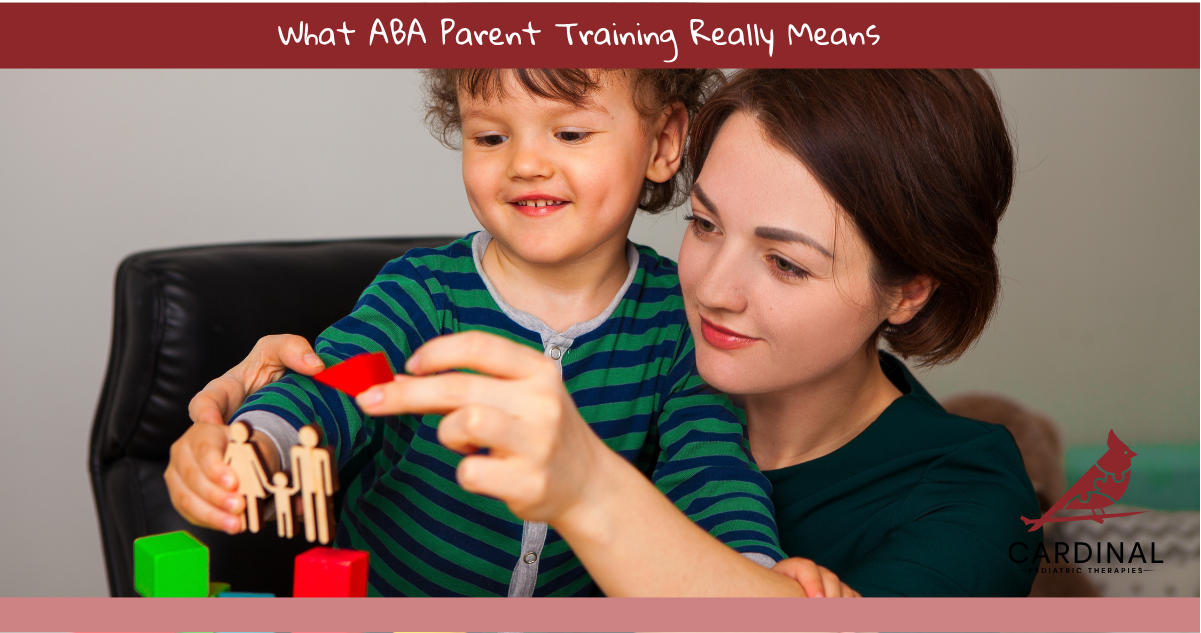
Learning how to do ABA therapy at home involves focusing on reinforcement and consistency rather than attempting to manage clinical programming independently. 

While parents cannot replace the specialized role of a Cardinal Board Certified Behavior Analyst (BCBA), they can successfully implement principles of in-home ABA therapy by using techniques such as positive praise, consistent prompting, and daily routine management. 

By aligning with a professional team, parent participation serves as a bridge, helping children generalize their new skills from therapy sessions into everyday life. 

Core Reinforcement Techniques for Parents

When families ask about the specifics of how to do ABA therapy at home, the answer lies in the strategic reinforcement of established goals. You do not need professional clinical certification to implement these high-impact strategies between your child’s scheduled sessions.

  • Utilizing Positive Praise: Immediate verbal praise or a small reward following a desired behavior helps your child build a strong association between their actions and positive outcomes.
  • Applying Consistent Prompting: Following the specific prompting hierarchy your therapist uses ensures your child receives clear, predictable cues that do not lead to frustration.
  • Maintaining Routine Consistency: Predictable schedules for meals, hygiene, and bedtime create a stable environment where behavioral expectations remain the same every day.
  • Modeling Desired Behaviors: Children often learn through observation, so demonstrating calm reactions and clear communication provides a constant living example for them to follow.
  • Capturing Teachable Moments: Reinforcement does not require a formal table-top session; instead, it happens during natural play or daily chores where skills like turn-taking or requesting items occur naturally.

at home ABA therpy Arizona

Why Professional Oversight is Essential for Success

While parent involvement is a predictor of better outcomes, the benefits of professional in-home ABA therapy include clinical safety and data-driven adjustments that a DIY approach cannot replicate. Certain aspects of behavioral health require the objective eye of a trained clinician.

  • Functional Behavior Assessments (FBA): A BCBA is trained to identify the underlying “function” or cause of a challenging behavior before creating an intervention plan.
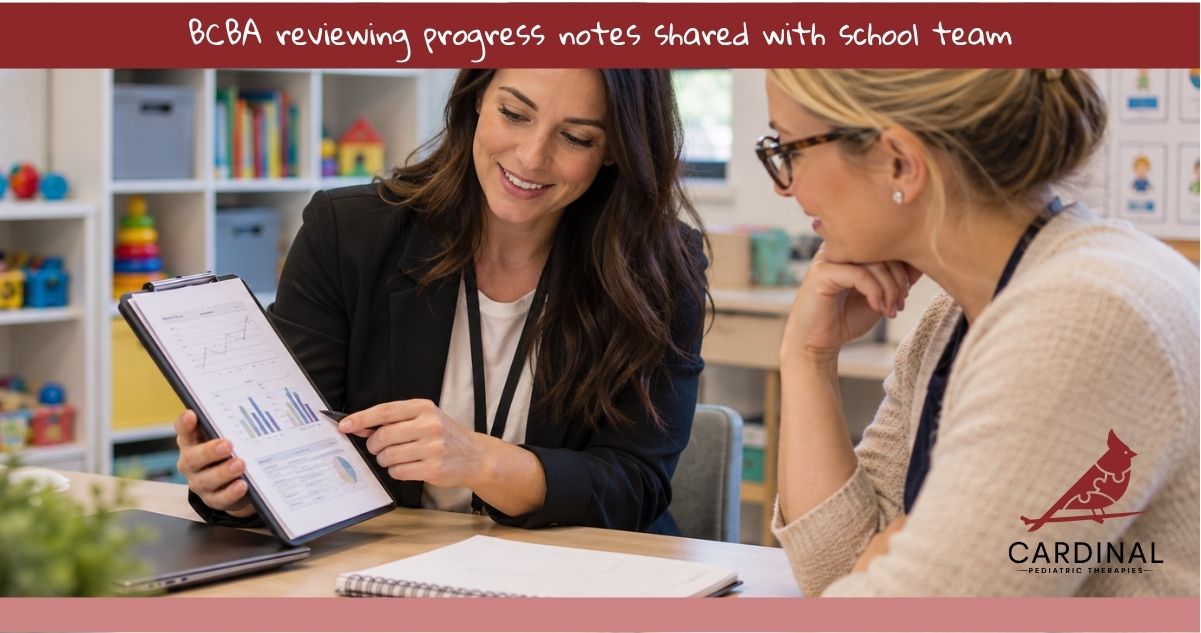
  • Clinical Data Analysis: Professionals track every session to determine precisely when to increase the difficulty of a task or try a different teaching method.
  • Crisis Management Training: Registered Behavior Technicians (RBTs) are trained in specific safety protocols to manage unsafe behaviors without escalating the situation.
  • Individualized Programming: Every child with autism is unique, and professional programs are tailored to account for sensory sensitivities, cognitive levels, and family dynamics.
  • Insurance and Mandate Compliance: Most insurance providers in North Carolina and Arizona require professional supervision to authorize and fund behavioral services.

The Role of Professional Parent Coaching

When parents understand how to do ABA therapy at home through professional coaching, the stress of the “unknown” is significantly reduced. Our model includes dedicated time for clinicians to show you exactly how to handle specific challenges in your household.

  • Hands-On Modeling: A clinician will demonstrate a technique with your child while you observe, and then provide feedback as you practice it yourself.
  • Customized Home Plans: We develop specific strategies for the parts of the day you find most difficult, such as transitions from the park or toothbrushing routines.
  • Confidence Building: As you see your child respond to your reinforcement techniques, your confidence in managing their needs increases, fostering a more positive home environment.
  • Direct Support for Families: Families seeking in-home ABA therapy in North Carolina and Arizona have access to parent training that is often covered by major insurance plans and Medicaid.
  • Collaborative Goal Setting: You are an active participant in deciding which skills are most important for your family, ensuring the therapy remains relevant to your goals.
in home ABA therapy North Carolina

Maximizing Generalization in the Home Environment

The primary goal of any behavioral program is generalization, which is the ability to use a skill across different environments and with different people. This is where your role at home becomes most valuable.

  • Real-World Application: If a child only follows instructions for a therapist, the skill is not fully mastered until they also follow those same instructions for you during a family dinner.
  • Sibling Involvement: We can coach you on how to involve siblings in play-based goals, helping your child build social connections within their own family unit.
  • Natural Reinforcers: While a therapist might use structured rewards, at home, the reward is often a natural outcome, such as getting a snack after successfully using their communication device.
  • Community Integration: The skills you reinforce at home are the foundation for successful outings to grocery stores, parks, and school events.

Professional Guidance for Your Home Journey

Choosing to partner with a professional team ensures that your journey in learning how to do ABA therapy at home becomes a collaborative effort rather than a solo burden. You provide the daily consistency and love, and we provide the clinical roadmap to help your child thrive.

To understand how a professional team integrates into your household routine, explore our guide on what to expect from in-home ABA therapy. For more information on how we empower families through direct training, you can visit our ABA parent coaching page. You can also view our full in-home ABA therapy overview to see how we serve families in your region.

ABA therapy autism arizona

Supporting Your Child’s Long-Term Growth

Reinforcing behavioral goals at home is about more than just clinical repetition; it’s about creating a household where your child feels capable and understood. 

By working alongside a professional team, you ensure that every effort you make at home is backed by proven science and clinical data. 

Together, we can help your child gain the independence they need.

Frequently Asked Questions

Can I manage an ABA program on my own to save costs?

While you can use positive reinforcement, a full behavioral program requires a BCBA to ensure the interventions are safe and effective. Attempting to address complex behaviors without professional guidance can inadvertently reinforce unsafe or counterproductive habits.

What are the best techniques for parents to use at home?

The most effective strategies for parents include immediate positive praise, consistent prompting, and maintaining a predictable daily routine. These methods provide your child with the structure they need to successfully practice the skills they are learning during their formal therapy sessions.

Does insurance cover the cost of training parents in ABA?

Yes, most major insurance carriers and state Medicaid programs in North Carolina and Arizona cover parent training as an essential part of the child’s overall treatment plan. We offer a free benefits check to help you understand your specific coverage levels before you begin.

How often should I practice these techniques with my child?

You do not need to set aside specific “therapy hours” during your day. Instead, look for natural opportunities during your existing routines, such as during meals, bath time, or play, to reinforce communication and social goals for just a few minutes at a time.

How Does In-Home ABA Therapy Work?

In-home ABA therapy works by bringing professional behavioral support into your child’s natural environment to build functional skills where they are used most.

A therapist comes to your home to work one-on-one with your child on specific goals, such as communication, social interaction, and self-care routines. This model uses your child’s own toys, snacks, and bedroom to teach skills that integrate directly into your family’s daily life. 

Instead of practicing in a sterile clinic, a Cardinal therapist helps your child navigate real-world challenges in the place they feel most comfortable.

The Mechanics of a Typical Home Session

Every family’s session looks a little different because the therapy is tailored to your child’s specific needs. However, most sessions follow a predictable structure to ensure consistency.

  • The Arrival and Transition: The therapist arrives and spends the first few minutes “pairing” with your child. This involves playing and building rapport to ensure your child is engaged and comfortable before work begins.

  • Natural Environment Teaching (NET): Much of the session happens through play. If the goal is requesting items, the therapist might use your child’s favorite blocks to encourage them to use their words or signs.
  • Discrete Trial Training (DTT): Some parts of the session may involve more structured, repetitive practice at a table or on the floor. This is used to build foundational skills that require many successful repetitions.
  • Incorporating Daily Routines: If your child struggles with transitions, such as getting dressed or sitting for a meal, the therapist will structure the session to overlap with these events.
  • Data Collection: Throughout the session, the therapist uses a tablet or notebook to track progress on every goal. This data is reviewed by a supervisor to ensure the treatment is working.

The Role of the Therapist in Your Home

It is helpful to view the therapist as a professional guest who is there to provide high-level behavioral coaching. Their primary focus is the direct implementation of the treatment plan.

  • One-on-One Instruction: The Registered Behavior Technician (RBT) provides constant, direct interaction with your child throughout the session.
  • Environmental Management: The therapist may suggest small changes to the home setup, such as moving toys to a higher shelf, to create more opportunities for your child to practice communication.
  • Behavior Management: If challenging behaviors occur, the therapist is trained to respond using the specific strategies outlined in your child’s clinical plan.
  • Supervision Visits: Periodically, a Board Certified Behavior Analyst (BCBA) will join the session to observe the therapist, update the goals, and ensure the therapy meets clinical standards.

What Parents Do During a Session

While the therapist is there to do the heavy lifting, your presence is an essential part of the therapy’s success. You are not expected to act as a co-therapist, but your participation helps skills stick.

  • Initial Check In: At the start of the session, you will likely spend a few minutes updating the therapist on your child’s day, including how they slept or any new behaviors you noticed.
  • Observational Learning: You are encouraged to watch how the therapist prompts your child or manages a tantrum. Seeing these techniques in person makes it easier for you to use them when the therapist is not there.
  • Active Participation: The therapist may ask you to join a game or a mealtime routine for a few minutes to practice a specific social goal together.
  • Session Debrief: Before leaving, the therapist will give you a brief summary of what went well and any specific progress your child made that day.

How Therapy Goals Carry Over Into Daily Life

The ultimate goal of in-home ABA is for the therapist to eventually become unnecessary. This happens through a process called generalization.

  • Real World Application: Because your child learns to follow instructions in their own kitchen, they are much more likely to follow those same instructions during a family dinner.
  • Routine Integration: Therapy goals are woven into your existing schedule. If your child is working on handwashing, that goal is practiced at your bathroom sink.
  • Skill Maintenance: The therapist teaches you the specific language and prompts they use. This allows you to reinforce the same skills during the hours when the therapist is not in your home.
  • Community Outings: Sometimes, in-home therapy can extend to a local park or grocery store to practice social skills in a community setting.

Understanding the Clinical Support System

While you mostly interact with the therapist in your home, a larger team works behind the scenes to ensure the therapy is effective.

  • The Treatment Plan: Every session is guided by a BCBA-created document that lists your child’s specific strengths and areas for growth.
  • Regular Updates: As your child masters a skill, the team immediately introduces a more complex goal to keep them moving forward.
  • Family Support: The process includes dedicated time for the BCBA to meet with you privately to discuss your concerns and celebrate milestones.

Creating a Path Forward for Your Child

The mechanics of in-home therapy are designed to be as non-intrusive as possible while providing the highest level of clinical support. While the process follows a professional structure, the heart of the therapy is building a relationship that helps your child thrive at home.

To learn more about the logistics of starting care and what the first few weeks look like, you can explore our detailed guide on what to expect from in-home ABA therapy. If you are ready to see how this process could work for your specific family routine, we encourage you to view our full in-home ABA therapy overview or reach out for a consultation.

Finding Clarity in the Process

Understanding the mechanics of therapy is the first step toward feeling confident in your child’s care plan.

While the procedural side of ABA is consistent, the way it comes to life in your home will be unique to your family’s personality and goals. Every session is an opportunity to turn a daily routine into a meaningful moment of growth.

Frequently Asked Questions

Do I need to stay in the room the entire time?

You do not need to be in the same room for every minute of the session, but you must remain in the home. Being nearby allows you to participate in parent training moments and check in on your child’s progress as needed.

What happens if my child is having a “bad day”?

Therapists are trained to work through difficult days. If your child is tired or frustrated, the therapist will adjust the session to focus on lower-demand tasks or sensory regulation to help them stay successful.

How long does a typical home session last?

Most sessions last between two and four hours, depending on your child’s age and the clinical recommendation. The length is designed to allow enough time for both structured learning and natural play.

Can my other children participate in the session?

Yes, siblings can often be involved in social skill goals. The therapist will guide these interactions to ensure both children are having a positive experience while working on shared goals like turn-taking.

ABA Therapy at Home: How to Make Skills Stick Outside Sessions

When families start aba therapy at home, one of the biggest questions is what happens between sessions. Parents want to know how skills hold up in real life, across hard transitions, changing moods, sibling dynamics, and busy schedules. They also want support that feels useful, not overwhelming. That is where follow-through matters most. 

After a few sentences, it is worth saying that Cardinal Pediatric Therapies approaches home-based care with a family-centered model built around individualized plans, practical routines, and steady parent collaboration. Alice Okamoto, MA, BCBA, LBA, Chief of Staff at Cardinal, helps explain what makes skills more likely to last outside the therapy hour.

Start With Skills That Matter Most

For aba therapy at home to work outside sessions, the first goals need to connect to daily life. Alice says the team starts with skills that replace harmful behaviors and strengthen communication, because those two areas often work hand in hand. 

That focus keeps therapy relevant at home because it targets the moments families feel most every day. Cardinal’s in-home ABA therapy service description also emphasizes care in the places where support is needed most, including home, school, daycare, and community settings.

At home, those early goals may include:

  • Communication that helps a child ask for help, attention, breaks, or preferred items
  • Safer ways to respond when frustrated
  • More tolerance for routines and requests
  • Daily living skills that support independence
  • Flexible participation in family life
aba therapy at home Phoenix AZ

Keep Home From Feeling Like A Clinic

Parents often worry that therapy at home will make the house feel overly structured or unnatural. Cardinal points in a different direction. Home-based services are designed to support growth in a familiar environment, not turn a family space into a clinic. 

The child should be able to practice skills where real life already happens. That usually works best when sessions stay practical and flexible.

  • Use routines the family already has
  • Teach with familiar materials when possible
  • Build learning into play, daily tasks, and natural interactions
  • Adjust support based on what the child can do now
  • Keep expectations realistic for the family’s schedule

Align The Whole Household

A skill is much more likely to hold outside sessions when the adults around the child respond in a similar way. That does not mean every caregiver needs to act like a therapist. It means the plan should be clear enough that home routines do not pull in opposite directions.

Alice says parents should ask about collaboration and parent training, and she stresses the importance of “meaningful collaboration and training.” That is a strong reminder that caregiver involvement should feel supportive, not critical or confusing.

Supportive alignment across caregivers and family members can include:

  • Agreeing on a few high-priority goals
  • Using similar responses to common behaviors
  • Reinforcing the same communication strategies
  • Sharing updates about what is working
  • Adjusting routines when something is not realistic

Plan For The Hard Moments

One reason home programs stall is that stress rises faster than the plan can keep up. Alice says families often need to start with skills that replace harmful behaviors such as self-injury, aggression, or elopement. 

She also explains that behavior support becomes more effective when the team understands what the behavior is doing for the child and teaches a functional alternative.

That approach matters most during the moments families cannot script in advance:

  • Difficult transitions
  • Sudden demands
  • Conflicts over preferred activities
  • Unsafe behavior patterns
  • Escalation during ordinary routines

Alice also pushes back on the myth that ABA is only for “really bad kids.” She explains that behavior reduction is only one part of ABA and that behavior analytic strategies can teach many functional skills that open doors for children.

home based aba therapy Cary NC

Make Progress Visible In Daily Life

For ABA therapy at home to feel worthwhile, parents need to see progress in the routines they actually live. Cardinal’s intake interview gives a realistic picture of what that can look like. Alice says the first phase often emphasizes pairing, which means building a safe and trusting relationship with the therapist.

At home, that kind of progress may look like:

  • Fewer power struggles during routines
  • More successful communication before frustration builds
  • Better tolerance for transitions or requests
  • Greater trust with the therapist
  • More confidence from caregivers using strategies consistently

Development research also supports the value of strong everyday relationships and responsive caregiving in shaping learning and behavior over time. 

Understand Why Programs Stall

Sometimes families feel like progress slows down even when everyone is trying. Cardinal suggests a few grounded reasons this can happen. One is that the plan no longer matches the child’s current needs. Another is that family routines and treatment expectations are out of sync. 

Alice says decisions about what is working, what is not working, and what can be changed should be guided by child-specific data collected regularly in sessions.

When home programs stall, a reset may involve:

  • Looking at whether the goals still fit real needs
  • Checking whether caregivers understand the strategy clearly
  • Narrowing the focus to a smaller number of priorities
  • Revisiting how the child communicates needs
  • Making sure expectations are manageable for the household

Why Carryover Matters More Than Session Success

A child doing well in one therapy hour is encouraging, but parents live with the other twenty-three hours of the day. That is why ABA therapy at home has to be measured by more than what happens when the therapist is present. The goal is for useful skills to show up across routines, caregivers, and settings.

That kind of carryover becomes more likely when families have:

  • Goals that matter in daily life
  • Strategies that feel doable
  • Supportive caregiver collaboration
  • Flexible teaching in natural settings
  • Ongoing plan changes based on real data
in home aba therapy Wilmington NC

Support That Fits Real Life

The strongest home program does not depend on perfect days. It helps families build small, repeatable wins that can hold up outside the session itself. When goals are meaningful, caregivers are supported, and strategies match the child’s real environment, aba therapy at home becomes more than a service hour. It becomes part of how a family moves through the day with more clarity and less stress.

The right home program should make daily life feel more manageable, not more complicated. When goals match real routines, caregivers feel supported, and strategies carry beyond the session, aba therapy at home can create progress that families actually notice.

Preparing For ABA Therapy With Smooth Clinic Routines

Starting to prepare for ABA therapy can raise many practical questions, especially about drop-off, transitions, and how the day will feel for your child. In this article, Alice Okamoto, MA, BCBA, LBA, Chief of Staff at Cardinal Pediatric Therapies, explains what families can realistically expect in the first phase of services and how clinics build trust before pushing goals. 

Her answers reflect how Cardinal Pediatric Therapies approaches in clinic work through clear routines, individualized goals, and daily data so families understand what is happening and why. This helps reduce uncertainty and supports a steadier start.

What A Typical In Clinic Session Looks Like For A Family

A typical day in clinic ABA therapy follows a consistent rhythm so children can predict what comes next, even while goals stay individualized. Alice explains ABA in plain language: “ABA therapy teaches children new skills to be as independent and fulfilled as possible.” In the clinic, teams break that skill-building into many small learning opportunities across a session.

In many ABA clinics, a session often includes these parts, with the order adjusted to the child’s needs

  • A warm start that supports comfort and engagement
  • Teaching moments built into play, routines, and short practice tasks
  • Transition practice between activities, with coaching and reinforcement
  • Breaks that support regulation and tolerance building

How The Clinic Environment Supports Routines And Transitions

Families often focus on drop-off because transitions can feel like the hardest part. A clinic environment supports routines by making the day more predictable and by practicing transitions repeatedly in a safe setting. 

Alice also addresses a common misconception. Some goals may require table work when a task requires it, but “a lot of therapy is more naturalistic,” meaning skills can be taught through play and across different setups.

preparing for aba therapy phoenix az

In clinic-based ABA therapy, routines and transitions often improve when a program uses supports like these

  • A predictable arrival routine that stays consistent across days
  • Clear cues for change, such as visuals, short warnings, and timers
  • Short transition practices that build success before demands increase
  • Flexible teaching locations, such as table time, floor play, and quieter areas

Preparing For ABA Therapy With Drop Off That Feels Predictable

Families often expect their child to walk in calmly on day one. A better expectation is a gradual adjustment period while trust forms and routines become familiar. Alice explains what progress can look like early: “Within the first 30 days, we emphasize what we call pairing.” She describes pairing as building “a safe and trusting relationship for the child with their therapist,” and she notes that the early weeks may not feel easy: “We don’t usually expect the first several weeks to be easy or necessarily show lots of progress with goals.”

To support preparing for ABA therapy at drop-off, clinics often focus on predictable steps rather than long goodbyes or sudden changes.

  • A consistent handoff routine that stays brief and calm
  • A familiar first activity that helps the child settle in
  • Immediate access to communication supports, such as requesting help or a break
  • Early sessions that prioritize comfort and engagement over heavy demands

When pairing goes well, many families notice the transition into the building becomes less intense before they see big goal gains.

preparing for aba therapy autism

Supporting Consistency With Schedules And Staffing

Consistency matters in center-based ABA therapy because learning relies on repeated practice, stable routines, and reliable relationships. Families often worry about frequent therapist changes or cancelled sessions. Strong programs build systems that keep the plan consistent even when staffing shifts happen.

Alice describes treatment as data-driven and adjustable, with interventions modified throughout treatment and decisions guided by “child-specific data that is taken on a daily basis.” That same approach supports consistency because data clarifies what to keep stable and what to change.

In many ABA clinics, consistency is supported through practices like these.

  • A predictable weekly schedule that stays steady when possible
  • Clear supervision expectations so teaching remains consistent across staff
  • Shared session notes and program protocols that protect treatment integrity
  • Communication norms that set expectations when changes occur

For a parent-friendly overview of ABA as an evidence-based approach and how programs define treatment components, the Association for Science in Autism Treatment provides a helpful reference at applied behavior analysis overview for families.

What Outcomes Families Often Notice First

Families often hope early outcomes look like immediate goal mastery. Alice frames the first phase differently. Pairing and trust come first, then you often see changes in cooperation, communication attempts, and tolerance. By 60 to 90 days, she likes to see children “starting to respond more to instruction,” using communication in ways they had not before, and tolerating tasks that used to be challenging.

In preparing for ABA therapy, it helps to watch for early wins that show the foundation is being built:

  • Smoother arrivals and fewer escalations during the first minutes of the session
  • More willingness to engage with the therapist and materials
  • New communication attempts, even if inconsistent
  • Increased tolerance for brief demands, waiting, and switching activities

A Cardinal Pediatric Therapies resource that connects reinforcement to learning readiness and momentum is the benefits of positive reinforcement in ABA therapy.

preparing for aba therapy cary nc

Helping Routines Transfer Beyond The Clinic

Families often ask whether in-clinic ABA therapy skills will transfer to home and school. Generalization improves when it is planned early and built into goals that match real routines. Alice explains that goals should be “socially significant,” meaning important to the child and family, and that treatment plans cover multiple domains to create a well-rounded plan.

In clinic-based ABA therapy, transfer often improves when the program does these things consistently:

  • Teaches the same skill across play, routines, and learning activities
  • Practices with more than one staff member so skills do not depend on one person
  • Aligns parent strategies with the clinic plan through collaboration and training
  • Coordinates with related providers, such as speech and OT, when families approve releases

A Steadier Start In The Clinic

Preparing for ABA therapy often feels easier when families expect an adjustment period, prioritize predictable routines, and understand why trust-building comes first. Alice Okamoto’s guidance highlights what quality programs do early, they focus on pairing, they teach meaningful skills across daily-life domains, and they adjust based on daily data rather than assumptions.

When families understand the rhythm of a clinic day and the purpose behind transitions, drop-off becomes more predictable and early progress becomes easier to recognize.

Generalization In ABA Therapy For Home And School

Generalization in ABA therapy is the part families care about most, seeing skills show up at home, at school, and in the community, not only during sessions. In this article, Alice Okamoto, MA, BCBA, LBA, Chief of Staff at Cardinal Pediatric Therapies, explains how clinic-based services support carryover, how progress gets communicated clearly, and what families often notice first. 

Her guidance reflects how Cardinal Pediatric Therapies approaches ABA therapy services as individualized and measurable, with goals built around daily life and updated through ongoing data. When generalization becomes a planned part of treatment, families can feel the difference in routines, transitions, and communication across settings.

Generalization In ABA Therapy Starts With Meaningful Goals

Generalization in ABA therapy improves when goals match what a child actually needs in real life. Alice describes strong goals as “socially significant,” meaning they matter to the child and the family. This focus helps clinic based ABA therapy avoid skills that stay stuck in one room or one routine.

A treatment plan that supports generalization usually includes a mix of targets that naturally occur outside the clinic

  • Communication goals that replace unsafe or disruptive behavior
  • Daily living goals that fit home routines, such as toileting, dressing, mealtime steps
  • Classroom readiness goals that support learning, waiting, following simple instructions
  • Social and play goals that show up with siblings, peers, and community activities
generalization in aba therapy phoenix az

The Clinic Environment Builds Repetition Without Losing Real Life Relevance

Families sometimes worry that in-clinic ABA therapy teaches skills that only work in the clinic. Alice addresses the misconception that ABA means a child sits at a table all day. She notes that some goals may require table work when a task requires it, but “a lot of therapy is more naturalistic,” meaning skills can be taught through play and across different settings.

This matters for generalization in ABA therapy because naturalistic teaching helps children practice the same skill across multiple contexts. A clinic can rotate environments and activities while still keeping sessions predictable.

A strong clinic setting supports this balance through features like these

  • Structured routines that reduce uncertainty and support transitions
  • Short learning opportunities across activities, not one long drill
  • Teaching in multiple locations, such as table time, floor play, quiet area, and movement breaks
  • Consistent expectations that help children practice flexibility safely

How Cardinal Plans Clinic To Home Carryover

Generalization in ABA therapy improves when the team plans for it early rather than hoping it will happen later. Alice explains that ABA goals target a child’s ability to communicate and function in daily life, and clinicians individualize goals based on current support needs, family priorities, and developmental level. She also emphasizes it is “critical to meet children where they are now and grow skills from there,” which supports carryover without overwhelming a child.

In practical terms, clinic-to-home transfer often relies on a set of repeatable strategies

  • Teaching the same communication skill across play, learning tasks, and transitions
  • Practicing skills with more than one staff member so the child does not depend on one person
  • Using consistent cues and reinforcement that parents can use at home
  • Building parent collaboration into treatment so the home response stays aligned

Families can also see better carryover when clinic goals match the language used at home. Even small alignment, like the same words for “break,” “help,” or “all done,” can reduce frustration.

autism therapy generalization

Progress Communication That Families Can Understand

Generalization in ABA therapy depends on shared understanding. Families need to know what the team is working on, what is changing, and what to practice outside sessions. Alice explains what data-driven means in parent terms, decisions are made based on “child-specific data that is taken on a daily basis,” and questions like what is working, what is not working, what can be changed are guided by frequent analysis of session data.

Clear communication in ABA clinics usually looks like this

  • Updates tied to daily life outcomes, not only clinical terms
  • Simple explanations of what the team measured and what the data showed
  • Specific examples of how a skill should look at home or in the community
  • Plan adjustments when data shows a plateau, not months later

What Families Often Notice First Outside The Clinic

Parents usually want to see changes that make daily life feel more manageable. Alice sets expectations for the early phase of treatment. “Within the first 30 days, we emphasize what we call pairing.”

She describes pairing as building “a safe and trusting relationship for the child with their therapist,” and notes that it is essential throughout therapy, especially early on.

She also normalizes that early weeks may not feel easy: “We don’t usually expect the first several weeks to be easy or necessarily show lots of progress with goals,” because children are still warming up.

Once trust builds, families often notice early outcomes that support generalization in ABA therapy

  • Easier transitions into routines, less resistance when an activity ends
  • More responsiveness to simple instructions in familiar settings
  • New communication attempts that reduce escalation, even if inconsistent
  • Increased tolerance for brief demands, waiting, and task switching

By 60 to 90 days, Alice likes to see children “starting to respond more to instruction,” using communication in new ways, and tolerating tasks that used to be challenging. Those changes often show up first in the places families practice most, mornings, mealtimes, getting in the car, leaving the park, or starting homework.

Coordinating With School And Other Therapies Supports Generalization

Generalization in ABA therapy improves when supports do not work against each other. Alice explains that during intake, teams ask whether a child receives related services such as speech and OT, and they request release forms so they can coordinate with those providers. This collaboration helps create a “well-rounded and effective treatment experience” and keeps services aligned.

Coordination supports generalization when teams can agree on shared priorities and shared language

  • Speech goals can align with functional communication targets in ABA
  • OT input can support regulation strategies that reduce problem behavior
  • School teams can reinforce the same routines and expectations when appropriate
  • Families can feel less stuck when strategies match across settings
generalization in aba therapy cary nc

Bringing Skills Into The Moments That Matter

Generalization in ABA therapy works best when the team plans for it, teaches skills across multiple situations, and keeps families informed with clear, data-based updates. Alice Okamoto’s guidance highlights the building blocks that support transfer, socially significant goals, naturalistic teaching when it fits, pairing early to build trust, and steady adjustment based on daily data. 

When clinic-based ABA therapy focuses on communication, tolerance, and daily functioning, families often see skills move beyond the center into home routines, school readiness, and community participation through consistent practice and aligned support.

ABA Clinics: What to Look For in a Quality Program

Parents researching ABA clinics often feel like every program promises the same results, yet day-to-day experience can look very different. In this article, Alice Okamoto, MA, BCBA, LBA, Chief of Staff at Cardinal Pediatric Therapies, explains what quality looks like in a clinic setting, which children often thrive there, and how teams keep progress clear for families. 

Her perspective reflects how Cardinal Pediatric Therapies structures clinic based ABA therapy around individualized goals, steady routines, and daily data so families understand what is happening, why it is happening, and what changes first.

Which Children Often Do Well In A Clinic Setting And Why

ABA clinics can be a strong match for children who need predictable structure and repeated practice to build skills that show up in everyday life. Alice explains ABA in plain language, “ABA therapy teaches children new skills to be as independent and fulfilled as possible.” In a clinic setting, teams can teach those skills with consistent routines and carefully planned learning opportunities across the week.

Children who often thrive in center based ABA therapy tend to benefit from the clinic environment for reasons like these

  • They struggle with transitions, waiting, or shifting from preferred to non-preferred activities
  • They need frequent practice to build communication that replaces challenging behavior
  • They respond well to consistent routines and clear expectations
  • They benefit from a setting that can reduce distractions when learning feels hard

Alice also describes common ABA goals as reducing behaviors that are “socially inappropriate or unsafe” while teaching new skills such as “communication, play, classroom readiness, daily living, social, etc.” That range matters because a clinic can rotate through different learning moments in a session, rather than relying on one format all day.

in clinic aba therapy scottsdale az

How A Clinic Environment Supports Routines And Transitions

Many families consider clinic based ABA therapy because transitions have become the hardest part of the day. ABA clinics often help by making routines predictable and practicing transitions repeatedly in a safe setting.

Alice also clears up a misconception about what therapy looks like. Some goals may require table work when the task requires it, but “a lot of therapy is more naturalistic,” meaning skills can be taught through play and in different setups. A quality clinic uses structure to support learning, not to force one rigid style.

Clinic features that commonly support routines and transitions include the following

  • Predictable schedules that reduce uncertainty
  • Consistent transition cues, such as visuals, short warnings, and timers
  • Frequent practice of start and stop moments with coaching and reinforcement
  • Teaching tolerance skills in small steps, not all at once

How ABA Clinics Build Peer Learning Safely

Parents often want peer learning, but they also worry about safety and overwhelm. ABA clinics can build peer learning in a structured way, using individualized goals and thoughtful pacing so children learn social skills without setting them up to fail.

Alice’s emphasis on individualization applies here. She notes that age matters, but “current support requirements, family priorities, and developmental level are crucial,” and it is “critical to meet children where they are now and grow skills from there.” A quality clinic uses that same lens when introducing peer moments.

Safe peer learning in ABA clinics often includes practices like these.

  • Matching children for shared activities based on tolerance and support needs
  • Starting with short peer interactions that have clear structure
  • Teaching communication for boundaries, such as requesting space or help
  • Building up to group routines once the child can tolerate small demands

Peer learning also works best when clinics track it with data, not impressions, so the team can adjust before frustration becomes a pattern.

aba clinics north carolina

What Parents Should Look For In A Quality ABA Clinic

When families compare ABA clinics, quality shows up in goal selection, supervision, data practices, and communication. Alice explains that treatment plans should include individualized goals covering a range of domains, and goals should be “socially significant,” meaning important to the child and family. She also explains how decisions stay data-driven, with choices guided by “child-specific data that is taken on a daily basis.”

Quality indicators parents can look for in center based ABA therapy include the following

  • Clear goals tied to daily functioning, not just clinic-only tasks
  • A plan to reduce unsafe behavior while teaching functional communication
  • Regular data review that answers what is working, what is not working, what can change
  • Program modification that happens when data shows a need, not only on a fixed timeline

Parents can also ask about supervision. Alice suggests parents ask about the pairing process, program modification, and parent collaboration and training. Those answers reveal whether the clinic invests in relationships and uses oversight to keep programming consistent.

How Clinics Communicate Progress Simply And Clearly

Families deserve progress updates that feel understandable, not filled with jargon. Alice explains that behavior analysts adjust and modify interventions throughout treatment, and decisions are made based on daily data. She also notes that plans get updated on an ongoing basis as data is analyzed, with formal updates typically required every six months for insurance approval.

Clear progress communication in clinic based ABA therapy usually includes these elements

  • Plain-language updates connected to real routines at home and school
  • Simple explanations of what the team measured and what changed
  • Trends over time, not single-session snapshots
  • Specific next steps when the data shows a plateau

Alice also sets realistic expectations for early progress. “Within the first 30 days, we emphasize what we call pairing,” meaning building “a safe and trusting relationship” with the therapist. She also normalizes that the early weeks may not show big goal gains, “We don’t usually expect the first several weeks to be easy or necessarily show lots of progress with goals,” because children are still warming up to therapy.

aba clinics arizona

How ABA Clinics Support Consistency With Schedules And Staffing

Consistency matters in in clinic ABA therapy because learning depends on repeated practice, predictable routines, and stable relationships. Families often worry about cancellations, staffing gaps, or frequent therapist changes. While every clinic manages these realities differently, quality programs make consistency a priority and communicate changes early.

Alice’s process descriptions reinforce that structure and planning matter. She describes intake and assessment steps, and she emphasizes that scheduling is determined throughout the process with family availability and medical recommendations in mind. That planning mindset also applies to ongoing services, protecting routine while staying flexible when a child’s needs change.

Ways ABA clinics often support consistency include the following

  • A predictable weekly schedule that stays steady when possible
  • Supervision systems that keep programming consistent across staff
  • Clear procedures for covering sessions and maintaining treatment integrity
  • Parent collaboration so strategies remain stable outside the clinic

Consistency also improves when clinics coordinate with related services. Alice explains that during intake, teams ask about services such as speech and OT and use releases to coordinate, supporting an aligned service package across providers.

Making A Confident Clinic Choice

ABA clinics work best when the program matches your child’s current needs and the clinic can explain its approach in plain language. Alice Okamoto’s guidance highlights the core quality signals, socially significant goals, trust-building through pairing, data-driven adjustments, and clear communication that families can understand. 

When center based ABA therapy supports routines, teaches functional communication, and plans for generalization from the beginning, many families see skills show up beyond the clinic in home routines, school readiness, and safer community participation through clinic based ABA therapy that stays individualized and measurable.

Center Based ABA Therapy For Confident Progress

Center based ABA therapy can feel like a big decision for families who have tried weekly therapy, school supports, or home routines that still fall apart during transitions and demands. For this post, Alice Okamoto, MA, BCBA, LBA, Chief of Staff at Cardinal Pediatric Therapies, explains how clinicians think about the clinic setting, what quality looks like, and how skills learned in a center can carry into home and community life. 

Her answers reflect how Cardinal Pediatric Therapies builds ABA therapy services around individualized goals, data-driven decisions, and realistic expectations in the first months.

In Clinic ABA Therapy And Why Some Children Thrive In A Center

In clinic ABA therapy often works well for children who benefit from predictable structure and repeated practice across the week. Alice explains ABA in plain language, “ABA therapy teaches children new skills to be as independent and fulfilled as possible.” The clinic setting supports that work by offering routines, clear expectations, and consistent learning opportunities that can be hard to replicate elsewhere.

Children who tend to do well in center based ABA therapy often share needs like these

  • They struggle with transitions, waiting, or shifting from preferred to non-preferred tasks
  • They need frequent practice to build communication that replaces challenging behavior
  • They respond well to structured routines and consistent expectations
  • They benefit from a setting designed to reduce distractions when learning feels hard

A center setting also supports the wide range of goals Alice describes, reducing “socially inappropriate or unsafe” behaviors while teaching “communication, play, classroom readiness, daily living, social, etc.” That mix matters because progress usually comes from building skills that replace what a child used to do to get needs met.

center based aba therapy arizona

How Center Based ABA Therapy Supports Routines And Transitions

Families often choose center based ABA therapy because mornings, after-school time, or community outings have become unpredictable. In a clinic environment, the team can build routines on purpose and practice transitions many times without the pressure of a real-world deadline.

Alice also clarifies a common concern about what therapy looks like. She notes that some goals may require table work when a task requires it, but “a lot of therapy is more naturalistic,” meaning skills can be taught through play and across different setups. That flexibility helps clinics support routines without turning every moment into rigid drill work.

A clinic setting supports routines and transitions through features like

  • Predictable schedules that reduce anxiety about what comes next
  • Consistent transition cues, such as visuals, timers, and short warnings
  • Repeated practice of start and stop moments with coaching and reinforcement
  • Thoughtful pacing that builds tolerance without escalating distress

When a child learns that transitions are safe and predictable, families often see less resistance across the day. 

Clinic Based ABA Therapy And Sensory Needs In The Day To Day

Parents often worry that ABA clinics will ignore sensory needs or push through discomfort. A quality clinic plans for sensory needs as part of daily programming and it teaches communication and coping skills so children can advocate for themselves.

Alice emphasizes individualization across support needs and developmental levels, and she highlights that it is “critical to meet children where they are now and grow skills from there.” That approach applies to sensory needs too. A clinic can support regulation while still teaching participation skills that matter for school and community life.

In clinic supports for sensory needs often include

  • Choice of where learning happens, table, floor, quiet corner, movement area
  • Planned breaks that teach a child how to reset without avoiding the whole task
  • Communication targets that let a child request help, pause, or a different setup
  • Gradual exposure to tolerating small demands in a safe way
center based aba therapy phoenix az

ABA Clinics And How Skills Generalize To Home And Community

A common question about ABA clinics is whether skills learned in a center will show up at home. Generalization does not happen by accident. It improves when goals match daily life, when caregivers understand the plan, and when the team teaches skills across different activities and people.

Alice explains that ABA goals focus on helping a child communicate and function in daily life, and she describes decisions being guided by child-specific data taken each session. That day-to-day measurement helps the team see whether skills are staying in the clinic or transferring to the places families need them.

Generalization tends to improve when clinics build in strategies like

  • Teaching the same skill across play, routines, and learning activities
  • Practicing with different staff members so the skill does not depend on one person
  • Including parent collaboration and parent training so home responses stay consistent
  • Coordinating with speech and OT when families approve information sharing

Cardinal describes coordination with related therapies as part of building an aligned service package, and this can help families reduce mixed messages across providers.

What Parents Should Look For In A Quality ABA Clinic

Parents often compare providers by commute time or availability, but quality shows up in clinical structure, supervision, and how the team communicates progress. Alice describes data-driven decision-making as adjusting and modifying interventions throughout treatment and making decisions based on daily data. She also recommends that parents ask about the pairing process and how the team ensures it is effective, plus program modification, parent collaboration, and parent training.

When you evaluate center based ABA therapy providers, look for signs like

  • Clear explanation of goals that are socially significant for your child and family
  • A consistent method for collecting data and reviewing it frequently
  • Evidence of plan changes when data shows something is not working
  • A meaningful process for caregiver collaboration, not only quick updates at pickup

Quality also includes supervision and staffing clarity. The Behavior Analyst Certification Board outlines the BCBA credential and role expectations here.

A clinic that can explain supervision, data review, and treatment adjustments in plain language usually communicates better across the entire care process.

center based aba therapy north carolina

Pros And Cons Of Center Based ABA Therapy For Families

Parents deserve a balanced view. Center based ABA therapy has strong benefits for many children, and it also has tradeoffs families should plan for.

Pros families often experience with clinic based ABA therapy include

  • Predictable routines that support learning readiness and smoother transitions
  • More frequent practice opportunities that can accelerate skill building
  • Built-in structure that helps teams collect consistent data across sessions
  • Natural opportunities to practice peer-related skills in shared spaces

Cons families often need to plan around include

  • Transportation and scheduling logistics across the week
  • The need to intentionally program generalization to home and community
  • Adjustment time at the start while the child warms up to the setting

Alice sets expectations for early progress by explaining pairing, “Within the first 30 days, we emphasize what we call pairing,” meaning a safe and trusting relationship. She also notes that the first weeks may not look easy, and families should not expect immediate goal mastery while a child acclimates. That framing helps families interpret the early phase of center based ABA therapy without assuming something is wrong.

Making The Setting Work For Your Child

Center based ABA therapy fits best when the clinic structure matches your child’s learning needs and your family can support consistent attendance. Alice Okamoto’s guidance highlights what quality clinics do well, they prioritize trust early, teach meaningful skills across domains, and make changes based on daily data rather than assumptions. 

When a clinic builds routines and transitions with care and it plans for generalization from the start, many families see skills show up beyond the center in home routines, school readiness, and safer community participation.

How Many Hours Of ABA Therapy Per Week For Your Child

Parents ask how many hours of ABA therapy per week because time affects school, work, siblings, and routines. In this article, Alice Okamoto, MA, BCBA, LBA, Chief of Staff at Cardinal Pediatric Therapies, explains how clinicians think about recommendations, what a strong plan includes, and what progress can look like in the first 30 to 90 days.

Her perspective reflects how Cardinal builds ABA therapy services around individualized goals, measurable data, and realistic expectations so families understand what the hours are designed to accomplish.

ABA Therapy Services And Why Weekly Hours Vary

ABA therapy services are designed to teach skills that improve daily functioning and reduce behaviors that interfere with safety or learning. Alice explains it in plain language, “ABA therapy teaches children new skills to be as independent and fulfilled as possible.” That is why how many hours of ABA therapy per week does not have one universal answer. 

The recommended hours connect to the child’s current needs, the goals that matter most to the family, and how much repetition the child needs for skills to become reliable across real settings.

  • Goals can span communication, play, classroom readiness, daily living, and social skills
  • Safety needs can increase intensity early, such as self-injury, aggression, or elopement
  • Learning pace and tolerance for demands can influence how much practice helps most

Intake And Assessment Come Before A True Hours Recommendation

Families often want a schedule first, but clinicians usually need assessment data to recommend hours responsibly. Alice describes starting with an intake paperwork packet that collects educational, medical, and family background, along with insurance and diagnosis information. 

After insurance authorization for an initial assessment, the team schedules the assessment. Then the written treatment plan, including goals, gets completed after the assessment, and scheduling gets determined across the full process based on family availability and the medical recommendation for treatment hours.

  • Intake helps the team understand safety needs, priorities, routines, and current skills
  • Assessment informs goals, teaching approach, and recommended intensity
  • Scheduling should reflect both clinical need and real-world family constraints
types of aba therapy gilbert az

Types Of ABA Therapy Can Change How Hours Feel In A Week

A common misconception is that ABA therapy means sitting at a table all day. Alice explains that some goals may require table work when the task requires it, but “a lot of therapy is more naturalistic,” meaning skills can be taught through play and across different environments.

This matters when families think about how many hours of ABA therapy per week, because the format and setting can make the schedule feel more workable and more relevant to daily life.

  • Naturalistic teaching can target skills during play and routines
  • Structured teaching can support focused learning targets when needed
  • Community-based practice can help with transitions, safety, and generalization
  • Parent collaboration can strengthen carryover outside sessions

What A Strong Treatment Plan Includes And How Often It Updates

Families often focus on hours, but plan quality is what makes the hours useful. Alice says “a treatment plan should include individualized goals for each child, covering a range of domains,” and goals should be “socially significant,” meaning they matter to the child and their family.

She also explains that plans are updated on an ongoing basis as data is analyzed, and formal updates are typically required for insurance approval every six months.

  • Goals should map to daily life, not only clinic-only tasks
  • Domains should be well-rounded, such as communication plus daily living
  • Data should guide changes, not guesswork or routine-only updates
  • Updates should happen when the child’s data shows a need to adjust

Realistic Progress In The First 30 To 90 Days

Parents want to see progress quickly, but Alice sets realistic expectations for early therapy. “Within the first 30 days, we emphasize what we call pairing.” She describes pairing as building “a safe and trusting relationship for the child with their therapist,” and she notes that it remains essential throughout therapy, especially at the beginning.

She also normalizes that the first weeks may not feel easy or show big goal gains because the child is warming up to the therapist and to therapy. By 60 to 90 days, she likes to see children starting to respond more to instruction, use communication in new ways, and tolerate tasks that used to be challenging.

  • Early wins can look like easier transitions and a greater willingness to engage
  • Communication growth may start small, such as new attempts or more consistent requesting
  • Tolerance can improve first, such as brief demands without escalation
  • Instruction-following may increase as trust and structure become familiar
how many hours of aba therapy per week cary nc

How Clinicians Individualize Therapy Across Ages And Support Needs

Age matters, but it does not decide everything. Alice explains that ABA goals are designed around each child’s ability to “communicate and function within their daily life,” meaning right now. She adds that individualization depends on current support requirements, family priorities, and developmental level.

Clinicians weigh age-appropriate norms with what the child can do today, and she emphasizes it is “critical to meet children where they are now and grow skills from there,” rather than expecting a child to perform at a level that may be more age-typical but not yet accessible.

  • A younger child may need intensive focus on functional communication and play foundations
  • An older child may need targeted support for independence, self-advocacy, and school routines
  • Family priorities shape goal selection and what success looks like at home
  • Support needs drive how much repetition and consistency helps skills stick

What Parents Should Ask About BCBA Supervision And Staffing

When parents compare providers, supervision and staffing questions reveal how the program stays responsive and ethical.

Alice recommends that parents ask about the pairing process with their child’s therapist, how program modifications are made, and how the BCBA determines when adjustments are needed. She also highlights parent collaboration and parent training as a key part of successful services.

  • Who supervises the case and how often they observe sessions
  • How the team decides what is working and what needs to change
  • How parent training works and how it connects to home routines
  • How communication stays consistent across technicians, supervisors, and caregivers
how many hours of aba therapy per week phoenix az

Misconceptions About ABA That Cause Confusion Or Delays

Misconceptions can delay care and make families hesitate about recommended hours. Alice names common myths, ABA is all about compliance, ABA means sitting at a table all day, or ABA is only for “really bad kids.” She says these misconceptions are harmful, causing confusion and delays.

She also clarifies that “ABA is not all about compliance,” and that teaching children to say no and advocate for themselves supports communication and independence.

  • ABA therapy for autism can include play-based and naturalistic teaching, not only table work
  • Independence includes self-advocacy and communication, not blind compliance
  • Behavior reduction is one part, skill building opens doors across settings
  • Understanding what ABA is can make the conversation more practical

Making The Schedule Make Sense For Your Family

How many hours of ABA therapy per week should reflect what your child needs to learn, what your family needs support with, and what the assessment shows about priorities. Alice Okamoto’s guidance highlights a clinician mindset centered on individualized goals, meaningful progress, and data-based adjustments rather than on a fixed weekly number. 

When families understand pairing, plan updates, and the role of BCBA supervision, the hours recommendation becomes easier to interpret as a medical and developmental support plan rather than just a calendar commitment. For families considering ABA therapy services, Cardinal Pediatric Therapies offers structured pathways across settings that keep goals practical and measurable.

In Clinic ABA Therapy For Your Child

Parents often ask what in clinic ABA therapy looks like day to day, especially if their child has struggled with routines, transitions, or learning in busy environments. Alice Okamoto, MA, BCBA, LBA, Chief of Staff at Cardinal Pediatric Therapies, explains how clinic-based services work in plain language, how teams build trust first, and how progress gets tracked in a way families can understand.

Her perspective highlights why a structured clinic setting can support communication, daily living skills, and safer behavior while helping children generalize skills into home and school life.

Who Tends To Benefit From Clinic Based ABA Therapy

In the clinic, ABA therapy can be a strong fit when a child needs predictable structure and frequent learning opportunities across the week.

Alice describes ABA therapy services as skill-building: “ABA therapy teaches children new skills to be as independent and fulfilled as possible.” In a clinic setting, the team can build those skills with consistent routines and carefully planned teaching opportunities.

Clinic-based ABA therapy often helps when a child needs support with

  • Transitions between activities, waiting, and following simple routines
  • Communication that replaces unsafe or disruptive behavior
  • Learning readiness, such as responding to instruction and staying engaged
  • Play and social skills that need repeated practice with guidance
in clinic aba therapy phoenix az

What A Typical In Clinic Session Looks Like For A Family

Families want a concrete picture of what happens inside ABA clinics. While every plan is individualized, the structure tends to follow a consistent rhythm so children can predict what comes next.

Alice explains that ABA goals often target reducing behaviors that are “socially inappropriate or unsafe” while teaching skills like “communication, play, classroom readiness, daily living, social, etc.” In clinic, those domains can show up in multiple short learning moments across a session, rather than one long block of the same activity.

A typical clinic-based ABA therapy session may include

  • Pairing time to build trust and comfort with the therapist
  • Play-based teaching that targets communication and social engagement
  • Short, structured practice for skills that need repetition and focus
  • Transition routines that teach flexibility, waiting, and following schedules
  • Breaks that support regulation and sensory needs

How The Clinic Environment Supports Routines And Transitions

Many children struggle less when the environment stays consistent. In clinic, ABA therapy uses routines to reduce uncertainty and help children practice the same skills repeatedly until they become more reliable. Alice also addresses a common misconception: ABA does not mean sitting at a table all day. She notes that some goals may use a table when a task requires it, but “a lot of therapy is more naturalistic,” meaning skills can be taught through play and in different settings.

A clinic setting can support routines and transitions by offering

  • Predictable schedules that reduce friction between activities
  • Clear visual and environmental cues that help children understand expectations
  • Consistent opportunities to practice transitions with coaching, not punishment
  • Structured environments that reduce distractions when a child needs focus

Many families notice that routines practiced in the clinic can become templates for home. That carryover works best when the team keeps parent communication clear and uses consistent language across settings.

How Teams Handle Sensory Needs in the Clinic

Parents often worry that ABA clinics will ignore sensory needs or push children through distress. A strong clinic program plans for sensory supports as part of the environment and the session flow, not as an afterthought. Alice emphasizes meeting children where they are and building skills from there, calling it “critical to meet children where they are now and grow skills from there,” rather than expecting them to perform at a level that might be age-typical but not yet realistic.

In clinic, ABA therapy can support sensory needs through

  • Choice of seating or activity locations, such as table time, floor play, beanbags
  • Built-in regulation breaks, movement opportunities, and pacing adjustments
  • Task modification when demands exceed tolerance in the moment
  • Teaching communication to request breaks or help, instead of escalating behavior
center based aba therapy phoenix arizona

How We Communicate Progress Simply And Clearly

Progress should feel understandable, not hidden behind jargon. Alice explains what data-driven means for families, behavior analysts make decisions “based on the child-specific data that is taken on a daily basis.” She adds that questions like what is working, what is not working, and what can be changed are guided by frequent analysis of data taken each session.

Clinic-based ABA therapy teams often keep progress communication clear by focusing on

  • Simple language tied to real-life outcomes, not only technical targets
  • Regular updates that connect goals to what families see at home
  • Data trends that show whether a strategy helps, not just whether it was tried
  • Plan changes when the data shows a plateau, not months later

For families who want background on clinician credentials, the Behavior Analyst Certification Board explains BCBA roles and certification here.

What Outcomes Families Often Notice First

Families often hope for immediate goal mastery. Alice sets a more realistic expectation, “Within the first 30 days, we emphasize what we call pairing.” She describes pairing as building “a safe and trusting relationship for the child with their therapist,” and she notes the early weeks may not feel easy: “We don’t usually expect the first several weeks to be easy or necessarily show lots of progress with goals,” because children are still warming up to therapy.

By 60 to 90 days, Alice likes to see children “starting to respond more to instruction,” using communication in new ways, and tolerating tasks that used to be challenging.

Early outcomes families often notice in clinic ABA therapy include

  • Easier drop-offs and smoother transitions into the clinic routine
  • More engagement with therapists and activities, less avoidance
  • New communication attempts that replace unsafe behavior
  • Better tolerance for short demands, waiting, and switching tasks
aba clinics wilmington nc

Helping Clinic Skills Generalize To Home And School

Parents often ask if clinic skills will transfer. Generalization improves when goals match daily life, when caregivers understand the plan, and when teams coordinate across services. Alice notes that during intake, teams ask whether a child receives related services like speech or OT, then use release forms to coordinate so services stay aligned.

Clinic to home and school generalization often improves when

  • Goals target functional routines, such as communication, transitions, self-help skills
  • Parent training supports consistent responses outside the clinic
  • Teams collaborate with related providers when families approve information sharing
  • Programs teach skills across different activities, not only one setup

Bringing It Back To Daily Life

In clinic, ABA therapy works best when the clinic structure supports trust, predictable routines, and repeated practice of meaningful skills. Alice Okamoto’s guidance highlights what many families need to hear early: that pairing comes first, progress grows with time and consistency, and clinicians adjust treatment based on daily data. 

When clinic-based ABA therapy targets communication, safety, and daily functioning, families often see changes that matter at home and support readiness for learning in school, with Cardinal Pediatric Therapies keeping goals individualized and progress measurable.

Center-Based ABA Therapy: What Are The Benefits?

If you are exploring ABA therapy for autism, you may be deciding between a center-based program and therapy delivered at home or in the community. Center-based care can be a strong fit for children who benefit from predictable routines, a structured learning space, and consistent support from a clinical team.

At Cardinal Pediatric Therapies, center-based ABA therapy is part of a broader set of ABA therapy services designed to help children build meaningful skills and reduce barriers that make daily life harder. The biggest benefits of center-based ABA therapy are structure, consistency, and a setting built for learning.

What Center-Based ABA Therapy Means In Plain Language

Center-based ABA therapy, sometimes called in clinic ABA therapy, takes place in a clinic environment designed to support skill building. Sessions may include structured learning for certain goals and play-based, naturalistic teaching for others. The key is that the environment is intentionally set up to reduce distractions, build routines, and make learning easier to start and maintain.

For families in Arizona and North Carolina, a center-based program can also create a clear weekly rhythm. Many parents looking for a Phoenix ABA clinic setting or a Cary or Wilmington clinic option are looking for that combination of routine and professional support.

Key Benefits Of Center-Based ABA Therapy

Strong ABA therapy starts with understanding your child as an individual. Center-based programs typically begin with a comprehensive assessment of strengths, challenges, and needs. From there, the clinical team creates a plan with goals that matter in real life, then measures progress consistently over time.

What to look for in an individualized plan:

  • Goals connected to daily routines, not just clinic activities
  • Clear definitions of what success looks like
  • Regular progress checks and plan adjustments when needed

This is where families often notice that the best programs do not run on autopilot. Progress is tracked so the team can refine teaching strategies and keep goals meaningful as your child grows. A good plan is not only personalized. It is measurable and flexible.

Specialized Learning Environment Built For Skill Development

A center-based setting is designed to support learning. Clinics often include organized spaces with teaching materials, visual supports, and structured areas for different skills. This can help children focus, especially when home environments are busy or unpredictable.

Center-based environments can be especially helpful for goals tied to:

  • Attention and learning readiness
  • Communication practice
  • Daily living skills that require structured teaching steps
  • Social routines like waiting, turn-taking, and transitions
center based care autism

Qualified Team Support And Clinical Oversight

One of the most practical benefits of center-based ABA therapy is access to a trained team working in the same setting. That can support consistency in teaching methods, coordination across staff, and smoother adjustments to the plan when goals change.

When you tour a clinic or speak with an intake team, consider asking:

  • Who oversees treatment planning and updates
  • How progress is reviewed and communicated to families
  • How therapists are trained and supervised

Families should feel comfortable asking these questions. A transparent provider will explain staffing and supervision clearly.

For parents who want to understand professional expectations in behavior analysis, the Behavior Analyst Certification Board offers consumer-facing ethics resources. 

Center-Based ABA Therapy Arizona

Consistency And Routine Many Children Respond Well To

Many children do better when their schedule is predictable. A center-based program typically offers consistent session times and a stable environment, which can reduce daily uncertainty and make learning easier to maintain.

Consistency can support:

  • Better transitions into and out of therapy
  • Reduced stress around schedule changes
  • More steady practice of goals week to week

This does not mean progress is identical for every child. It means the environment is designed to support steady learning and fewer barriers.

Social Interaction Opportunities In A Supported Setting

Social skills can be challenging for many autistic children, especially when social expectations are unspoken or unpredictable. In a center-based setting, children may have more opportunities to practice social routines in a controlled environment with clinical support.

Depending on your child’s goals, this may include:

  • Practicing turn-taking and sharing
  • Communicating wants and needs with peers
  • Building tolerance for small frustrations
  • Learning flexible play skills

If your child benefits from structured peer practice, you may also want to explore Cardinal’s Group Family Coaching options and how group support can complement individual goals.

Family Involvement That Helps Skills Transfer Home

Center-based therapy should not stay inside the clinic. A strong program includes caregiver involvement so skills can carry over into real routines. Many families benefit most when they get clear guidance on how to support goals at home, in the community, and in school routines.

Family involvement may include:

  • Caregiver coaching on strategies that match your child’s plan
  • Home practice goals that fit your schedule
  • Support for common challenges like transitions, waiting, and communication

A practical way to evaluate family support is to ask how often caregiver coaching is offered and how the team helps you practice strategies in daily life, not just in a clinic meeting.

The best center-based programs help skills show up outside the clinic.

Center-Based ABA Therapy And School Readiness

Many families seek ABA therapy services because school routines are difficult. A center-based program can support learning readiness skills such as following directions, tolerating group expectations, communicating needs appropriately, and transitioning between activities.

If school readiness is one of your main concerns, Cardinal’s Classroom Readiness Program page explains how foundational skills can be targeted in a structured, supportive way.

Center-Based ABA Therapy North Carolina

How Center-Based Care Fits With Other Services

Some children benefit from a coordinated approach that includes speech therapy or occupational therapy, alongside ABA therapy for autism.

Coordination typically requires parent consent and release forms, but it can help align goals and reduce mixed messages across providers. 

  • Key Considerations
    • The right fit depends on your child’s needs, your family’s routines, and what makes learning most accessible right now.

  • Questions to Ask
    • What goals will you prioritize first and why
    • How will you measure progress
    • How will you help skills transfer to home and school
    • How will you involve caregivers in the plan

Getting Started With Center-Based ABA Therapy

If you are considering center-based ABA therapy, the first step is usually an intake process that gathers background information, insurance details, and clinical history, followed by an assessment and an individualized plan.If you want to talk through whether center-based care is a good fit, Cardinal’s team can help you understand availability, scheduling options, and how the first assessment works. A supportive intake conversation should feel clear and pressure-free, with realistic expectations and a plan that matches your child’s needs.

Dr. Mike Henderson, Ph.D., BCBA-D, LBA

Regional Operations Director

North Carolina

Mike Henderson, PhD, LBA, BCBA-D, is the Regional Operations Director at Cardinal Pediatric Therapies. With over two decades of experience in behavior analysis and organizational leadership, he focuses on mentoring teams and fostering a culture of collaboration, growth, and excellence in client care. Mike believes strong leadership and supportive systems are essential for helping clients, families, and providers succeed together.

Felicia Freeman

Clinic Manager

I am Felicia Freeman, the Clinic Manager for Cardinal Pediatric Therapies. I have been in ABA for several years now and am passionate about the community that we serve. I started out as an RBT, decided to go the administrative route, and worked my way up to managing clinics. I choose this field every day because I enjoy making a meaningful impact in the lives of our clients and building strong teams that change lives.

Amanda Dean, MA, BCBA, LBA

Johnston County, NC

Amanda graduated from The Chicago School of Professional Psychology in 2018 with her Masters in Psychology. She proceeded to complete her graduate certificate in ABA and became a BCBA in November 2020. Amanda has a passion for behavior reduction, tolerance training and functional communication training. She enjoys spending as much time as she can with her 3 children and husband. When she’s not working, Amanda is very involved in her local Pop Warner Cheerleading program where she is the Assistant Cheer Director and a head coach.

Becky Fronheiser

Operations Director

Arizona

Becky has worked in behavioral health for 7 years. She joined Cardinal in the spring of 2024.  Becky is grateful for the opportunity to work with such a passionate group of people and looks forward to supporting families with their specific ABA needs.  In her personal time, she enjoys spending quality time with her husband, 6 kids and 4 grandkids and loves to travel and relax on the beach.

Matthew Wilkinson

Operations Director

Cary, NC

Matthew holds a bachelors degree from the University of Utah, Medical Degree from the Autonomous University of Guadalajara and an MBA from Western Governors University. He has worked in the pediatric field for the majority of his professional life and has a passion for helping bring the best care to children in need. He enjoys spending time with his wife and three children and day trips to the coast.


Trisha Iannotta Bieszczad, PsyD., BCBA

Triad, NC

Trisha is a Board Certified Behavior Analyst (BCBA) with extensive expertise since 2016 in applying behavior analytic principles to improve the lives of children and adolescents. Her professional journey began with a doctoral degree in clinical psychology, emphasizing child and adolescent development. This foundation has equipped her with a deep understanding of psychological theories and practices, which she seamlessly integrates into her work as a BCBA. Outside of her professional endeavors, Trisha enjoys reading, spending time outdoors with her family & trying out new restaurants. Trisha’s dedication to both her career and personal interests reflects her commitment to continual growth and enrichment, both professionally and personally. Her multifaceted background allows her to approach each aspect of her life with a blend of expertise, enthusiasm, and a genuine appreciation for learning and exploration.

Tina Lee

Director of Finance

Tina Lee is the Finance Director for Cardinal with a variety of experience in the Healthcare Industry for over 13 years. She is compassionate and always eager to assist where she can. In the ever-changing Healthcare environment, Tina has played a vital role in putting processes in place to obtain high efficiency outcomes to help our clients get the care they need. Tina enjoys the outdoors and loves spending time with her family.

William Evans

Director of Outreach and Recruitment

William is a UNCW Graduate who started his professional career working in Marketing and Recruiting for a local technology company before looking for an opportunity to take those skills and help others. In his spare time he plays hockey, including annually for the North Carolina Autism Hockey Tournament, which is dedicated to the raising money and awareness for organizations helping local families with children diagnosed with autism.

Alice Okamoto, MA, BCBA, LBA

Chief of Staff

Alice has been with Cardinal for over 4 years and has worn many hats along the way!  Alice has a passion for working with clients and families as a unit, supervising behavior analyst trainees, and collaborating on strategic initiatives to ensure clinical efficiencies.  Alice‘s professional experience began with ABA in a school setting, and has worked in schools, homes, and clinics throughout the years while enjoying collaboration with related providers.  In her free time, Alice enjoys traveling, exploring parks with her dog, Oliver, and trying new restaurants. 

Darrin Miller

CEO

Darrin has dedicated his education and career to the field of behavioral health. As a licensed therapist and master’s in clinical counseling he works to create solutions that improve the lives of those impacted by Autism Spectrum Disorder at a local, state, and national level. He strives to create a culture of caring and empathy while innovating solutions for improving families’ access to quality care as quickly as possible.