
Learning how to do ABA therapy at home involves focusing on reinforcement and consistency rather than attempting to manage clinical programming independently.
While parents cannot replace the specialized role of a Cardinal Board Certified Behavior Analyst (BCBA), they can successfully implement principles of in-home ABA therapy by using techniques such as positive praise, consistent prompting, and daily routine management.
By aligning with a professional team, parent participation serves as a bridge, helping children generalize their new skills from therapy sessions into everyday life.
Core Reinforcement Techniques for Parents
When families ask about the specifics of how to do ABA therapy at home, the answer lies in the strategic reinforcement of established goals. You do not need professional clinical certification to implement these high-impact strategies between your child’s scheduled sessions.
- Utilizing Positive Praise: Immediate verbal praise or a small reward following a desired behavior helps your child build a strong association between their actions and positive outcomes.
- Applying Consistent Prompting: Following the specific prompting hierarchy your therapist uses ensures your child receives clear, predictable cues that do not lead to frustration.
- Maintaining Routine Consistency: Predictable schedules for meals, hygiene, and bedtime create a stable environment where behavioral expectations remain the same every day.
- Modeling Desired Behaviors: Children often learn through observation, so demonstrating calm reactions and clear communication provides a constant living example for them to follow.
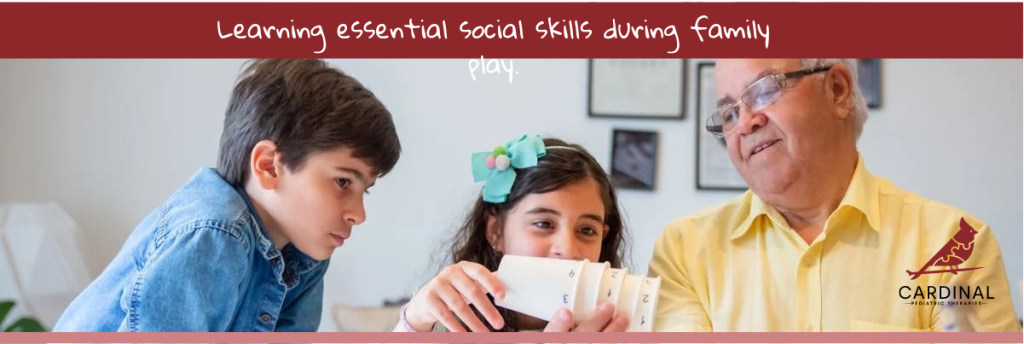
- Capturing Teachable Moments: Reinforcement does not require a formal table-top session; instead, it happens during natural play or daily chores where skills like turn-taking or requesting items occur naturally.
Why Professional Oversight is Essential for Success
While parent involvement is a predictor of better outcomes, the benefits of professional in-home ABA therapy include clinical safety and data-driven adjustments that a DIY approach cannot replicate. Certain aspects of behavioral health require the objective eye of a trained clinician.
- Functional Behavior Assessments (FBA): A BCBA is trained to identify the underlying “function” or cause of a challenging behavior before creating an intervention plan.
- Clinical Data Analysis: Professionals track every session to determine precisely when to increase the difficulty of a task or try a different teaching method.
- Crisis Management Training: Registered Behavior Technicians (RBTs) are trained in specific safety protocols to manage unsafe behaviors without escalating the situation.
- Individualized Programming: Every child with autism is unique, and professional programs are tailored to account for sensory sensitivities, cognitive levels, and family dynamics.
- Insurance and Mandate Compliance: Most insurance providers in North Carolina and Arizona require professional supervision to authorize and fund behavioral services.
The Role of Professional Parent Coaching
When parents understand how to do ABA therapy at home through professional coaching, the stress of the “unknown” is significantly reduced. Our model includes dedicated time for clinicians to show you exactly how to handle specific challenges in your household.
- Hands-On Modeling: A clinician will demonstrate a technique with your child while you observe, and then provide feedback as you practice it yourself.
- Customized Home Plans: We develop specific strategies for the parts of the day you find most difficult, such as transitions from the park or toothbrushing routines.
- Confidence Building: As you see your child respond to your reinforcement techniques, your confidence in managing their needs increases, fostering a more positive home environment.
- Direct Support for Families: Families seeking in-home ABA therapy in North Carolina and Arizona have access to parent training that is often covered by major insurance plans and Medicaid.
- Collaborative Goal Setting: You are an active participant in deciding which skills are most important for your family, ensuring the therapy remains relevant to your goals.

Maximizing Generalization in the Home Environment
The primary goal of any behavioral program is generalization, which is the ability to use a skill across different environments and with different people. This is where your role at home becomes most valuable.
- Real-World Application: If a child only follows instructions for a therapist, the skill is not fully mastered until they also follow those same instructions for you during a family dinner.
- Sibling Involvement: We can coach you on how to involve siblings in play-based goals, helping your child build social connections within their own family unit.
- Natural Reinforcers: While a therapist might use structured rewards, at home, the reward is often a natural outcome, such as getting a snack after successfully using their communication device.
- Community Integration: The skills you reinforce at home are the foundation for successful outings to grocery stores, parks, and school events.
Professional Guidance for Your Home Journey
Choosing to partner with a professional team ensures that your journey in learning how to do ABA therapy at home becomes a collaborative effort rather than a solo burden. You provide the daily consistency and love, and we provide the clinical roadmap to help your child thrive.
To understand how a professional team integrates into your household routine, explore our guide on what to expect from in-home ABA therapy. For more information on how we empower families through direct training, you can visit our ABA parent coaching page. You can also view our full in-home ABA therapy overview to see how we serve families in your region.

Supporting Your Child’s Long-Term Growth
Reinforcing behavioral goals at home is about more than just clinical repetition; it’s about creating a household where your child feels capable and understood.
By working alongside a professional team, you ensure that every effort you make at home is backed by proven science and clinical data.
Together, we can help your child gain the independence they need.