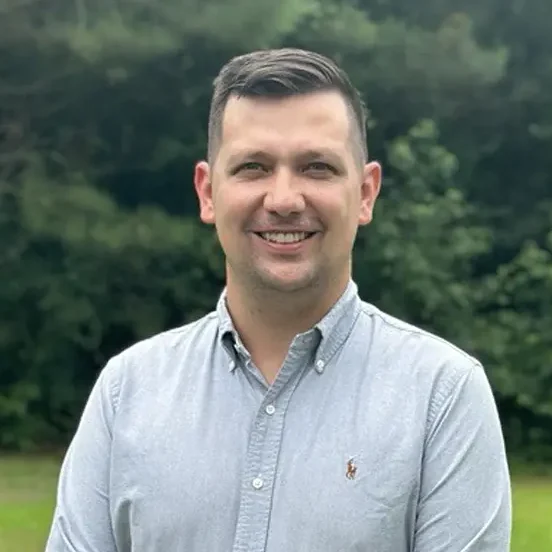
Regional Operations Director @ Cardinal Pediatric Therapies
Mike Henderson, PhD, LBA, BCBA-D, is the Regional Operations Director at Cardinal Pediatric Therapies. With over two decades of experience in behavior analysis and organizational leadership, he focuses on mentoring teams and fostering a culture of collaboration, growth, and excellence in client care.
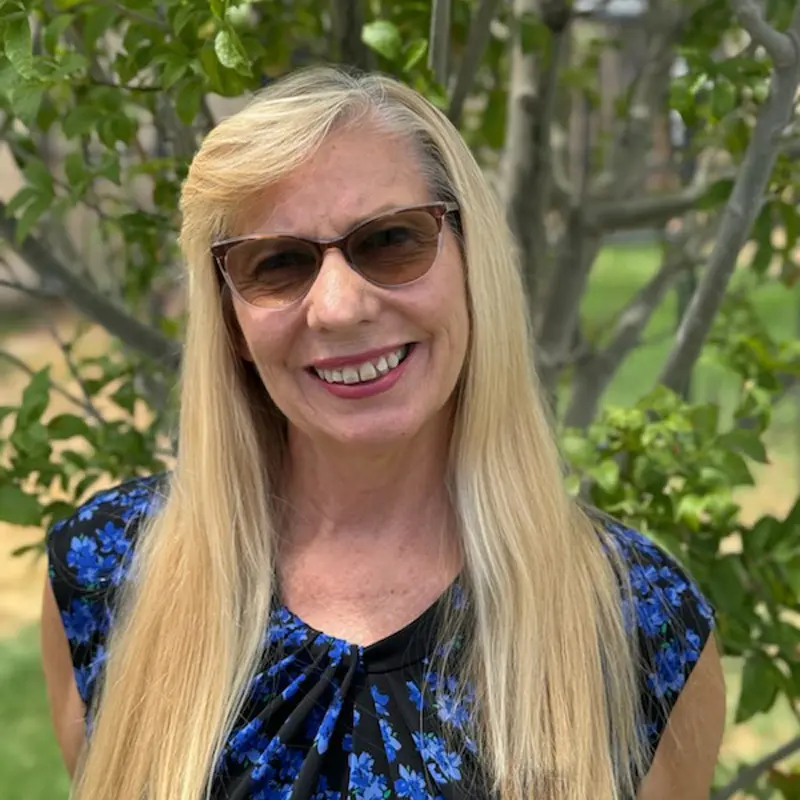
MA, BCBA, LBA, Chief of Staff @ Cardinal Pediatric Therapies
Alice has spent more than six years at Cardinal, supervising behavior analyst trainees and working with families as a whole unit. She first worked with ABA as a teenager, supporting twins with autism at home and later at school.
In parent training, you work with your child’s BCBA on the challenges you’re facing at home right now. It can happen one-on-one at the clinic, at home, or by telehealth.
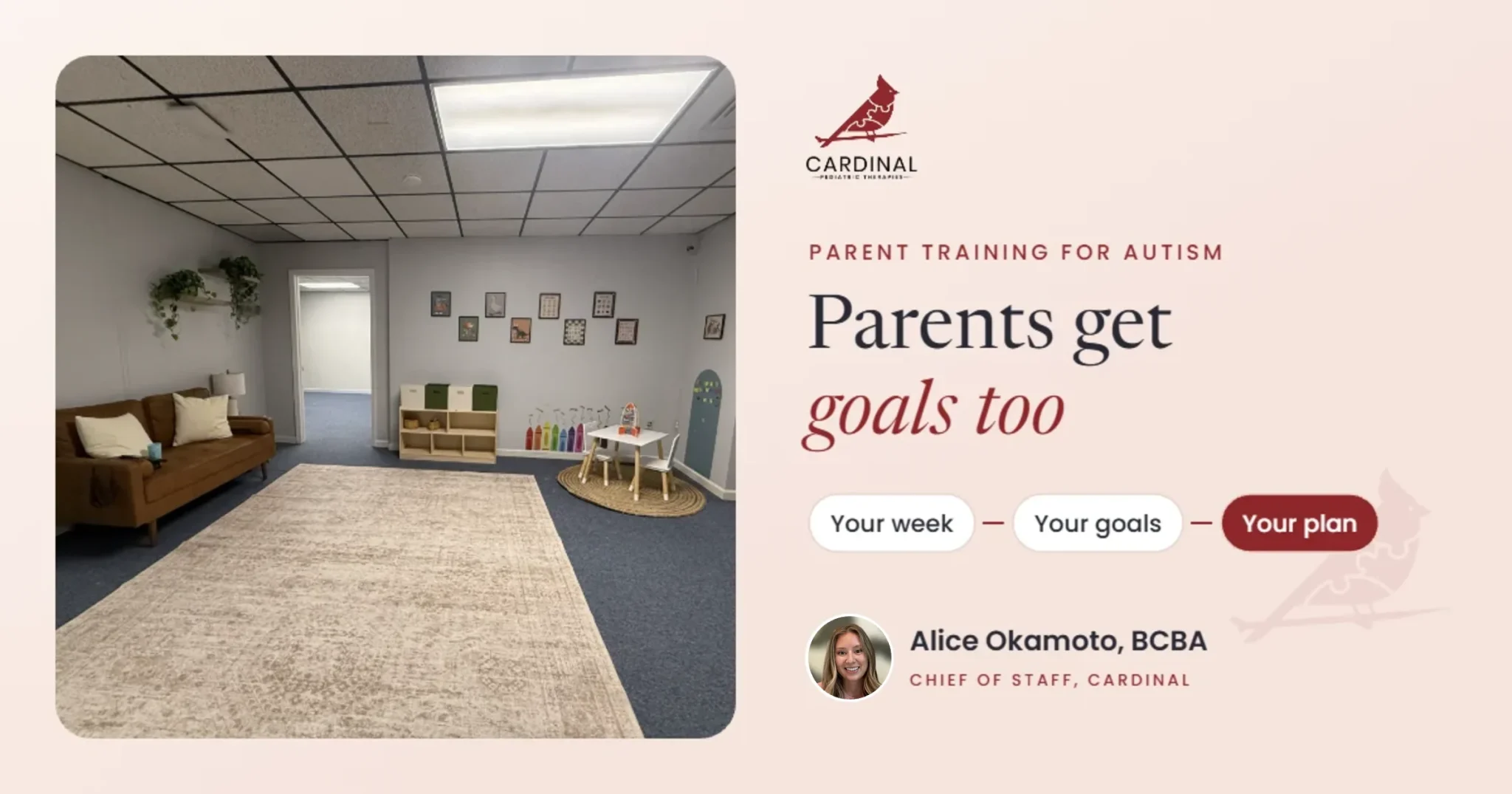
Parents get goals of their own, and Cardinal tracks parent progress the same way it tracks a child’s. The plan should fit the time you actually have.
You don’t have to become a therapist. We asked Alice Okamoto, a BCBA and Cardinal’s Chief of Staff, what parent training really asks of you.
Key takeaways
ABA isn’t drop-off, even when a child spends many hours a week in therapy.
Sessions change from week to week, based on what’s hardest for your family right now.
Small things carry over well: the same words, a visual schedule, a token board.
How involved you are gets worked out with your child’s BCBA, around siblings and work.
Your first session is mostly information gathering and getting to know each other.
What Parent Training for Autism Looks Like
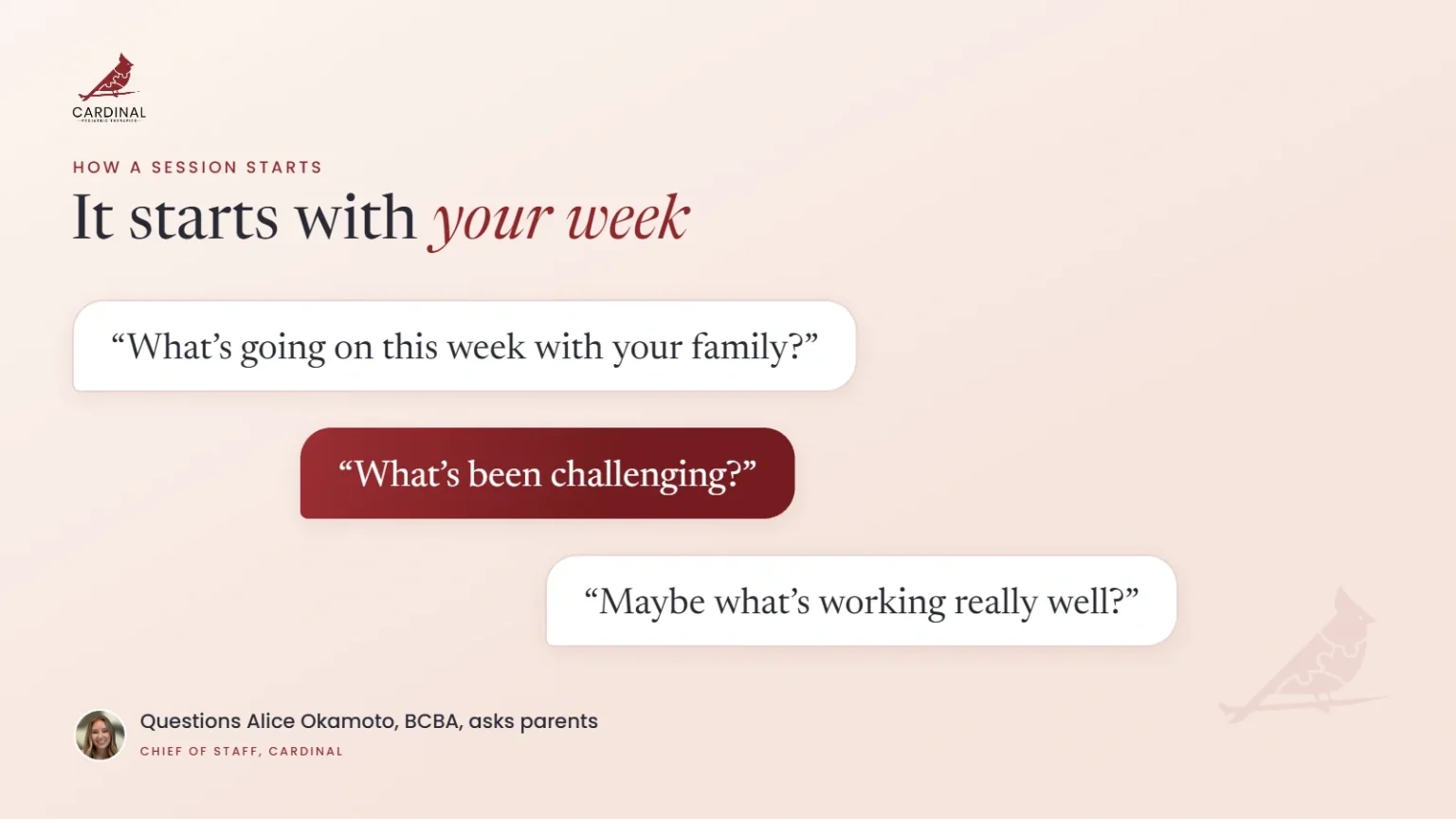
Parent training for autism usually happens one-on-one with parents, by telehealth or in person at the clinic or at home. It’s closer to a conversation than a class. Your child’s BCBA asks what’s been hard lately and what’s working, then works with you on specific goals.
Sometimes your child joins in, so the BCBA can demonstrate and model interactions with you in the room. Even if your child gets in-clinic ABA therapy services, the team can come to your home and work with you there, in the place where the hard moments actually happen.
Parents Have Goals Too
In ABA parent training, parents have goals of their own next to their child’s, and the team tracks that progress with data. It isn’t a grade. The point, Alice says, is for parents to feel comfortable and successful on their own time, outside of sessions, and for years to come.
“We have the child goals, but we also have parent goals, and we take data on parent progress, just like we do with their kids.”
Alice Okamoto
That can come as a surprise. Having goals written down means your own learning gets the same attention as your child’s. It also gives you and your BCBA something concrete to look at when you decide what to work on next.
What Parent Training Sessions Cover
What parent training sessions cover changes from one session to the next, because it follows what’s hard at home that week or month. Common topics include everyday skills like potty training, using fewer repeated prompts, and better ways to help your child respond when you ask.
In Alice’s words, it’s “whatever is the biggest thing in that moment.” Some of what comes up:
Everyday skills. Potty training is a common one.
Fewer prompts. It’s natural to say “hey, come on or sit down or come here over and over again.” Together, you work on what to try instead.
Listening and responding. Better strategies for helping your child respond when you ask.
Long-term goals. What you want to see for your family down the road.
Why What Happens at Home Matters So Much
What happens at home matters because the more families can do outside of sessions, the more progress the team tends to see. That doesn’t mean running therapy at the kitchen table. Alice says even keeping “some of the consistencies with language” can make a real difference across the board.
“We never expect parents to be the perfect therapist, too, right? We don't want them to be. They need to be parents.”
Alice Okamoto
Three small ways to stay consistent, all from Alice’s answer:
Use the same words your child’s therapist uses.
Keep visual supports like a schedule where your child can see them.
Ask your BCBA about a token board, a simple way to earn toward something your child wants. It builds on positive reinforcement.
Research points the same way. A six-site trial of 180 children with autism, ages 3 to 7, compared 24 weeks of parent training with parent education alone (Bearss et al., JAMA, 2015).
69%
Of children rated improved after parent training, vs 40% with parent education
That trial looked at serious behavior problems, so it won’t describe every family. It does show that what parents learn can count for a lot.
Not sure how much you can take on right now?Talk with our team and we’ll figure out what fits your family.
How Involved Should Parents Be in ABA Therapy?
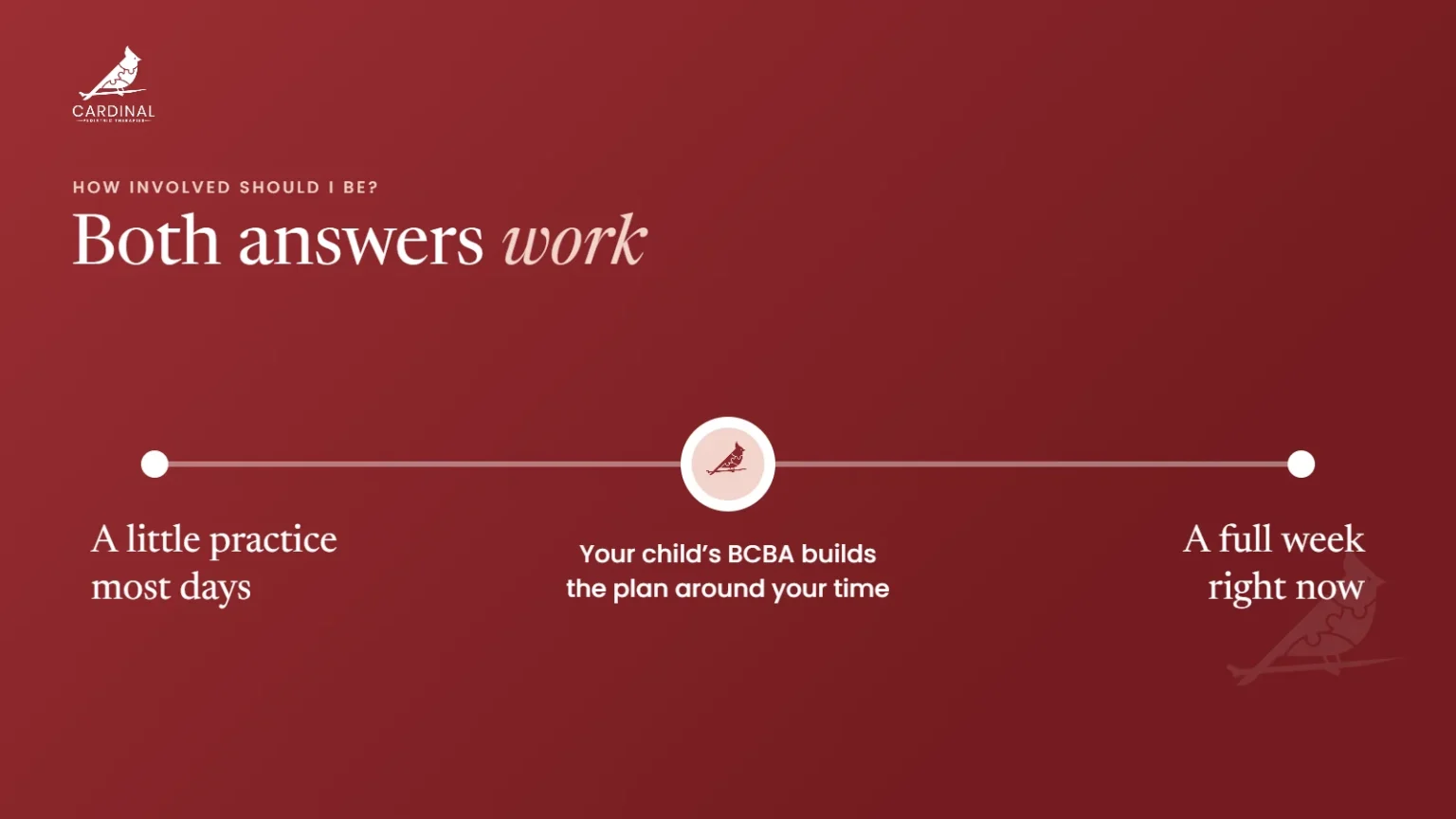
Parents should be as involved as their family’s capacity allows, and that comes from an open conversation with your child’s BCBA. Siblings, work and everything else on your plate all count. ABA isn’t drop-off, but a full week doesn’t rule you out. The plan gets built around what will work.
Because ABA can run many hours a week, some parents assume they can stay hands-off. Alice understands why, but she’s clear: “We really want families to be involved.” Depending on your family, that could mean:
Asking for more family meetings or parent trainings
Doing a hybrid, with some sessions or practice at home
Picking up one thing from therapy and using it at home
Whatever you land on can change as your family does. Alice says the team knows parents are “doing the absolute best that they can.”
What to Expect From Your First Parent Training Session
Your first parent training session is mostly information gathering, even though the assessment, treatment plan and goals are already done. Your BCBA will ask what’s going on at home, what’s challenging and what’s working, then work out the best approach for training with you.
From there, it could go a few ways:
The BCBA models something for you
You join a session to see the intervention up close
You mostly talk through what’s needed at home right now
Expect it to take a little time. As with one-on-one ABA services for kids, Alice says “progress is not immediate.” You and your BCBA are building trust too.
Parent Training at Cardinal
At Cardinal, parent training is part of our ABA therapy services. It’s led by behavior analysts and built around your family, because we see parents as part of the team. Depending on what you need, it can happen one-on-one with your child’s BCBA or alongside other families.
One-on-one:ABA parent coaching at home, in the clinic or by telehealth, around your family’s goals
With other families:Group Family Coaching, for learning together and comparing notes
Close to you: clinics in Cary, Clayton and Wilmington, North Carolina, and Phoenix, Arizona
Wondering what parent training would look like for your family? Call (919) 705-0668 and we’ll talk it through. No commitment, just a conversation.
Parent training in ABA teaches caregivers practical strategies they can use with their child in daily life. A BCBA works with parents on goals tied to what’s happening at home, like communication, routines or challenging behaviors, so what a child learns in therapy keeps going between sessions.
How often is ABA parent training?
It varies by family. At Cardinal, parent coaching may run 30 minutes a week, an hour a month, or more or less often, depending on what you need. Your BCBA builds a schedule that works for your family, and it can change as your child’s goals change.
Can parent training be done by telehealth?
Yes, it can. At Cardinal, parent trainings can happen by telehealth if that’s easier for your family, or in person at the clinic or at home. Your child’s BCBA can help you decide which setting makes the most sense for the goals you’re working on, and that can change over time.
What skills do parents learn in ABA parent training?
Parents learn strategies for the things that come up most at home. That can include reducing repeated prompts, using reinforcement, supporting communication and handling challenging behaviors. Your BCBA picks skills based on your child’s goals, so you aren’t learning a generic list that doesn’t fit your family.
Do I have to become my child's therapist?
No. Your job is still to be the parent. Your child’s therapy team brings the clinical plan, and parent training gives you a few practical tools that fit your routines. You decide with your BCBA how much makes sense, and that can change as life does.
Regional Operations Director @ Cardinal Pediatric Therapies
Mike Henderson, PhD, LBA, BCBA-D, is the Regional Operations Director at Cardinal Pediatric Therapies. With over two decades of experience in behavior analysis and organizational leadership, he focuses on mentoring teams and fostering a culture of collaboration, growth, and excellence in client care.
MA, BCBA, LBA, Chief of Staff @ Cardinal Pediatric Therapies
Alice has spent more than six years at Cardinal, supervising behavior analyst trainees and working with families as a whole unit. She first worked with ABA as a teenager, supporting twins with autism at home and later at school.
Mike Henderson, PhD, LBA, BCBA-D, is the Regional Operations Director at Cardinal Pediatric Therapies. With over two decades of experience in behavior analysis and organizational leadership, he focuses on mentoring teams and fostering a culture of collaboration, growth, and excellence in client care. Mike believes strong leadership and supportive systems are essential for helping clients, families, and providers succeed together.
Felicia Freeman
Clinic Manager
I am Felicia Freeman, the Clinic Manager for Cardinal Pediatric Therapies. I have been in ABA for several years now and am passionate about the community that we serve. I started out as an RBT, decided to go the administrative route, and worked my way up to managing clinics. I choose this field every day because I enjoy making a meaningful impact in the lives of our clients and building strong teams that change lives.
Amanda Dean, MA, BCBA, LBA
Johnston County, NC
Amanda graduated from The Chicago School of Professional Psychology in 2018 with her Masters in Psychology. She proceeded to complete her graduate certificate in ABA and became a BCBA in November 2020. Amanda has a passion for behavior reduction, tolerance training and functional communication training. She enjoys spending as much time as she can with her 3 children and husband. When she’s not working, Amanda is very involved in her local Pop Warner Cheerleading program where she is the Assistant Cheer Director and a head coach.
Becky Fronheiser
Operations Director
Arizona
Becky has worked in behavioral health for 7 years. She joined Cardinal in the spring of 2024. Becky is grateful for the opportunity to work with such a passionate group of people and looks forward to supporting families with their specific ABA needs. In her personal time, she enjoys spending quality time with her husband, 6 kids and 4 grandkids and loves to travel and relax on the beach.
Matthew Wilkinson
Operations Director
Cary, NC
Matthew holds a bachelors degree from the University of Utah, Medical Degree from the Autonomous University of Guadalajara and an MBA from Western Governors University. He has worked in the pediatric field for the majority of his professional life and has a passion for helping bring the best care to children in need. He enjoys spending time with his wife and three children and day trips to the coast.
Trisha Iannotta Bieszczad, PsyD., BCBA
Triad, NC
Trisha is a Board Certified Behavior Analyst (BCBA) with extensive expertise since 2016 in applying behavior analytic principles to improve the lives of children and adolescents. Her professional journey began with a doctoral degree in clinical psychology, emphasizing child and adolescent development. This foundation has equipped her with a deep understanding of psychological theories and practices, which she seamlessly integrates into her work as a BCBA. Outside of her professional endeavors, Trisha enjoys reading, spending time outdoors with her family & trying out new restaurants. Trisha’s dedication to both her career and personal interests reflects her commitment to continual growth and enrichment, both professionally and personally. Her multifaceted background allows her to approach each aspect of her life with a blend of expertise, enthusiasm, and a genuine appreciation for learning and exploration.
Tina Lee
Director of Finance
Tina Lee is the Finance Director for Cardinal with a variety of experience in the Healthcare Industry for over 13 years. She is compassionate and always eager to assist where she can. In the ever-changing Healthcare environment, Tina has played a vital role in putting processes in place to obtain high efficiency outcomes to help our clients get the care they need. Tina enjoys the outdoors and loves spending time with her family.
William Evans
Director of Outreach and Recruitment
William is a UNCW Graduate who started his professional career working in Marketing and Recruiting for a local technology company before looking for an opportunity to take those skills and help others. In his spare time he plays hockey, including annually for the North Carolina Autism Hockey Tournament, which is dedicated to the raising money and awareness for organizations helping local families with children diagnosed with autism.
Alice Okamoto, MA, BCBA, LBA
Chief of Staff
Alice has been with Cardinal for over 4 years and has worn many hats along the way! Alice has a passion for working with clients and families as a unit, supervising behavior analyst trainees, and collaborating on strategic initiatives to ensure clinical efficiencies. Alice‘s professional experience began with ABA in a school setting, and has worked in schools, homes, and clinics throughout the years while enjoying collaboration with related providers. In her free time, Alice enjoys traveling, exploring parks with her dog, Oliver, and trying new restaurants.
Darrin Miller
CEO
Darrin has dedicated his education and career to the field of behavioral health. As a licensed therapist and master’s in clinical counseling he works to create solutions that improve the lives of those impacted by Autism Spectrum Disorder at a local, state, and national level. He strives to create a culture of caring and empathy while innovating solutions for improving families’ access to quality care as quickly as possible.