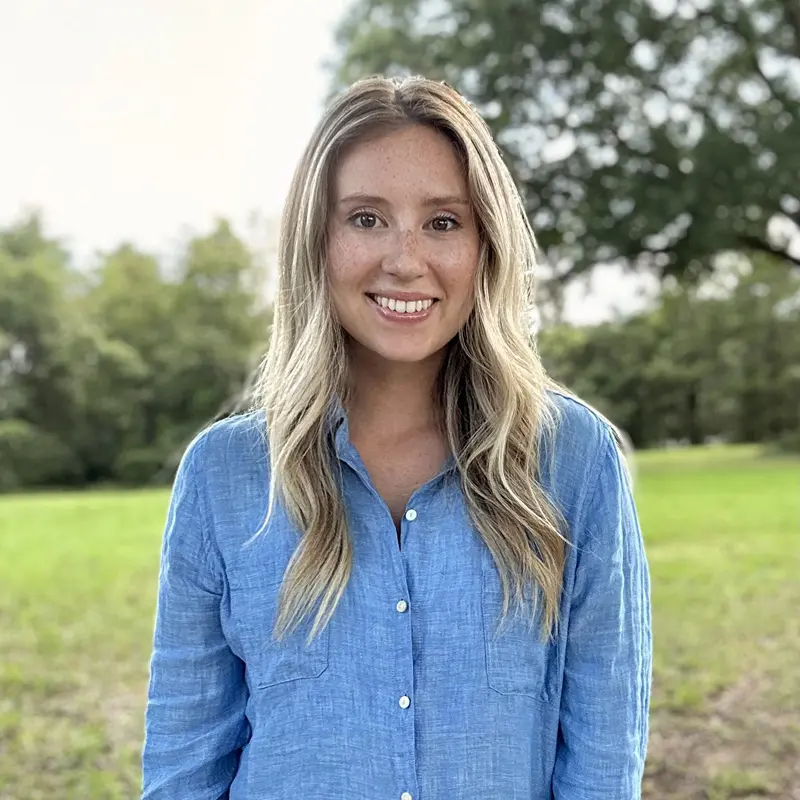


Chief of Staff

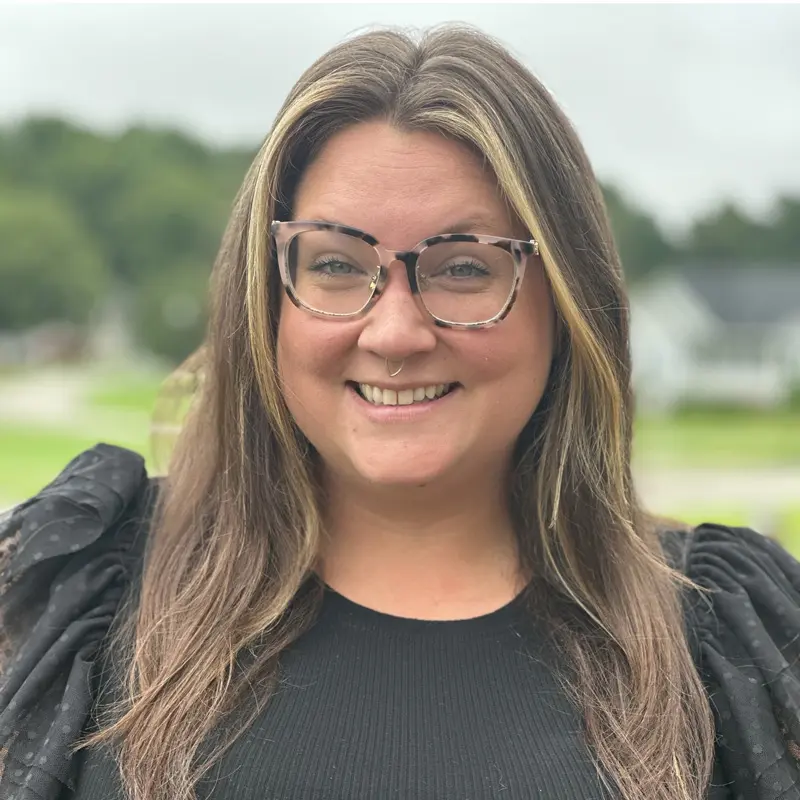
Alice‘s professional experience began with ABA in a school setting, and has worked in schools, homes, and clinics throughout the years while enjoying collaboration with related providers.  In her free time, Alice enjoys traveling, exploring parks with her dog, Oliver, and trying new restaurants.

Preparing For ABA Therapy With Smooth Clinic Routines

Preparing for ABA therapy starts with understanding clinic routines, transitions, and the early focus on pairing. Alice Okamoto of Cardinal Pediatric Therapies explains what a typical session looks like, how clinics support predictable drop-off, and why the first weeks may feel like adjustment more than goal mastery. You will learn how consistency in schedules and staffing supports progress, what families often notice first, and how clinic routines can transfer to home and school.

Read More »

Generalization In ABA Therapy For Home And School

Generalization in ABA therapy means skills learned in a clinic setting show up at home, school, and in the community. Alice Okamoto of Cardinal Pediatric Therapies explains how socially significant goals and naturalistic teaching support carryover. You will learn how teams communicate progress using daily data, what early outcomes families often notice first, and how coordination with school, speech, and OT helps keep strategies aligned outside the center.

Read More »

ABA Clinics: What to Look For in a Quality Program

ABA clinics can look similar on the surface, but quality shows up in supervision, data, and communication. Alice Okamoto, MA, BCBA, LBA, Chief of Staff at Cardinal Pediatric Therapies, explains which children often thrive in a clinic setting and what families should watch for early. You will learn how pairing builds trust, how teams adjust plans using session data, how peer learning stays safe, and how clinic skills generalize to home and school routines. It also explains how clinics support consistent schedules and staffing stability.

Read More »

Center Based ABA Therapy For Confident Progress

Center based ABA therapy offers a structured environment where children can practice communication, routines, and daily living skills with consistent support. Alice Okamoto of Cardinal Pediatric Therapies explains which children often do well in a clinic setting, how the environment supports transitions, and how teams plan for sensory needs. You will learn how skills generalize into home and community life, what to look for in quality ABA clinics, and how data helps families understand progress early.

Read More »

How Many Hours Of ABA Therapy Per Week For Your Child

How many hours of ABA therapy per week varies based on assessment findings, goals, and support needs. Alice Okamoto of Cardinal Pediatric Therapies explains what a strong plan includes, how plans update, what progress can look like in the first 30 to 90 days, how therapy is individualized across ages, what to ask about BCBA supervision, and which misconceptions about ABA therapy services can delay families from starting.

Read More »

In Clinic ABA Therapy For Your Child

In clinic ABA therapy gives children a structured setting to build communication, routines, and daily living skills. Alice Okamoto of Cardinal Pediatric Therapies explains what sessions look like, how the clinic supports transitions, and how teams plan for sensory needs. You will learn how progress is shared in clear language through daily data, what early wins families often notice, and how clinic skills generalize to home and school through aligned goals and coordination with related providers.

Read More »

Center-Based ABA Therapy: What Are The Benefits?

Center-based ABA therapy can help children with autism build skills in a structured environment designed for learning. This guide explains the key benefits of in clinic ABA therapy, including individualized treatment plans, consistent routines, qualified clinical support, and opportunities for supported social practice. You will also learn how Cardinal Pediatric Therapies helps skills carry over beyond the clinic through caregiver coaching and coordinated goals that support home and school routines. Explore when center-based care is a strong fit in Arizona and North Carolina.

Read More »

ABA Therapy Goals: How BCBAs Choose Targets That Matter in Real Life

ABA therapy goals should feel practical, measurable, and tied to your child’s daily life. This guide explains how Cardinal Pediatric Therapies builds strong treatment plans with individualized, socially significant targets across key domains, and how plans are adjusted as data is reviewed. You will learn why BCBAs often prioritize safety and functional communication first, what “data-driven” means in everyday terms, and how goals are individualized based on developmental level, family priorities, and current support needs. It also explains how teaching approaches match each goal.

Read More »

ABA Therapy Services: What Parents Can Expect From Intake to Goals 

ABA therapy services can feel confusing at first, especially when you are trying to understand intake, assessment, goals, and scheduling. This guide explains what parents can expect at Cardinal Pediatric Therapies, from the initial paperwork packet and insurance authorization to a personalized treatment plan. You will learn what “pairing” looks like in the first 30 days, what progress may show up by 60 to 90 days, and how data-driven decisions keep care measurable and responsive. It also breaks down common myths and highlights ABA benefits.

Read More »

The Benefits Of Positive Reinforcement In ABA Therapy

Positive reinforcement in ABA therapy helps children learn skills by pairing helpful behaviors with meaningful rewards, like praise, breaks, or preferred activities. This guide explains how reinforcement works in plain language, why timing and personalization matter, and how strategies like token systems and the Premack Principle support learning at home and in the clinic. It also addresses common misconceptions, including the difference between reinforcement and bribery, and how rewards can be faded over time. Learn how Cardinal supports families in Arizona and North Carolina.

Read More »

ABA Therapy Benefits: What Changes First at Home, School, and Community

ABA therapy benefits often show up first as more trust, better communication, and smoother daily routines. This guide explains what parents can realistically expect in the first 30 to 90 days, including “pairing” to build a safe therapist relationship, early skill priorities that replace unsafe behaviors, and how data-driven decisions guide progress. You will also learn how Cardinal Pediatric Therapies individualizes goals across ages and support needs, and how teams coordinate with school, speech therapy, and OT when needed.

Read More »

Types of ABA Therapy: What Parents Hear and What It Means

Types of ABA therapy can sound confusing, but most programs use a mix of structured and naturalistic teaching based on your child’s needs. This guide explains ABA therapy services in plain language, how Cardinal Pediatric Therapies prioritizes early skills that replace unsafe behaviors, and how goals are individualized across ages and support needs. It also clears up common misconceptions, including the idea that ABA is only compliance or only table work. Learn what parents typically hear, what it means, and what to ask next.

Read More »

Parent Support Autism Coach: How Group Family Coaching Helps Families Build Real Progress

Group Family Coaching offers parent support with an autism coach in a guided group setting. Caregivers learn practical strategies for communication, routines, and behavior support, then practice tools that fit real home life. The group format reduces isolation, builds confidence, and helps skills generalize across settings like school and community. Families also learn goal-setting and simple progress tracking, so changes feel measurable and realistic. This approach can complement ABA therapy by improving consistency among caregivers.

Read More »

How to Deal With Autism Behavior Problems: ABA-Based Strategies That Respect Your Child

This comprehensive guide offers a compassionate and practical approach to managing challenging autism-related behaviors at home. Drawing on effective ABA-based strategies, it delves into identifying common behavioral triggers and clearly distinguishes between a tantrum and an autistic meltdown. The resource is designed to empower parents and caregivers with actionable techniques for de-escalation and equips them with essential, practical skills that can be taught to foster greater independence and emotional regulation in a child on the autism spectrum.

Read More »

Communication Skills With Autism: Practical ABA Strategies for Everyday Connection

Communication is a fundamental skill that encompasses various forms, including spoken words, physical gestures, visual aids like pictures, and Augmentative and Alternative Communication (AAC) devices. This comprehensive guide details how Applied Behavior Analysis (ABA) effectively supports the development of essential communication skills in individuals with autism. ABA achieves this by breaking down complex skills into small, highly functional goals that families and caregivers can easily integrate and practice within their everyday routines, fostering consistent progress and real-world application.

Read More »

ABA Clinics Should Be Ran by BCBAs, Here’s Why

BCBA-led care helps families get more consistent, ethical, and effective ABA therapy. This article explains why ABA clinics should be ran by BCBAs, including stronger assessment and goal-setting, better supervision of technicians, and faster plan changes when progress stalls. You will learn how BCBAs use data to guide decisions, support skill generalization across home and school, and create behavior plans that teach safer replacement skills. It also includes simple questions to ask when comparing ABA clinics and treatment models.

Read More »

What Is Parent Training for Autism and How Can It Help Your Child?

Parent training helps caregivers learn evidence-based strategies that support a child with autism across real-life routines, not just in therapy sessions. This guide explains what parent training means in ABA therapy, how it helps skills generalize to home, school, and community settings, and why consistency can reduce frustration for both kids and parents. You will also learn common focus areas like communication supports, daily routines, social learning, and behavior strategies, plus simple ways to start practicing at home in a realistic, repeatable way.

Read More »

How to Improve Expressive Language in Autism With ABA Based Strategies That Fit Real Life

If you are wondering how to improve expressive language in autism, start with small, repeatable steps that fit real life. This guide explains expressive language in autism in simple terms and normalizes many forms of communication, from gestures and pictures to words and short sentences. You will find ABA based ways to set expressive language goals, plus everyday strategies for meals, bath time, and play. It also explains how in-clinic ABA therapy and social skills training support language growth through routine and peer interaction.

Read More »

Applied Behavior Analysis in the Classroom: Practical ABA Supports for School Routines

School can feel overwhelming when a child struggles with transitions, attention, or group rules. This guide explains applied behavior analysis in the classroom in clear, parent-friendly language, with examples from circle time, independent work, and recess. You will learn how ABA classroom strategies build communication, teach replacement skills, and strengthen academic readiness. We also explain how in-clinic ABA therapy can support classroom readiness goals and why collaboration between families, providers, and schools helps plans work consistently for ages 3 to 12 in Arizona and Carolina.

Read More »

Social Skills Training Autism Families Can Feel Hopeful About

Many children with autism want friends but feel unsure how to join play, share, or keep a conversation going. This article explains how structured social skills training in ABA uses play, modeling, and guided practice to build real world connection, confidence, and peer interaction for autistic kids and their families.

Read More »

Positive Reinforcement Autism Families Can Feel Good About

Positive reinforcement autism approaches focus on what your child does well instead of what goes wrong. This article explains how ABA therapists and parents use praise, rewards, and simple routines to encourage good behavior, reduce power struggles, and support emotional growth across home, clinic, and community settings.

Read More »

Autism Communication Strategies Families And Schools Can Use Together

Many autistic students struggle to share their needs and ideas at school. This article explains practical communication strategies autism families and teachers can use together, from visual supports and AAC to functional communication training, and shows how Cardinal Pediatric Therapies partners with schools to support confident classroom communication.

Read More »

Augmentative Communication for Autism: A Parent Focused Guide

Augmentative communication for autism gives children extra ways to share their needs, feelings, and ideas when speech feels hard. Learn how AAC tools like picture boards, signs, and speech devices work alongside ABA and speech therapy to reduce frustration, build confidence, and support meaningful connection at home and school.

Read More »

3 Benefits of 1-on-1 ABA Therapy for Children with Autism

1-on-1 ABA therapy offers children with autism the personalized attention they need to thrive. At Cardinal Pediatric Therapies, individualized sessions focus on communication, social interaction, and behavior growth through evidence-based strategies. With locations in Phoenix, Cary, Wilmington, and Clayton, our compassionate therapists create flexible, goal-driven programs tailored to each child’s unique strengths. Discover how personalized ABA therapy builds confidence, independence, and lasting progress for children and families.

Read More »

Information Exchange Techniques: Social Stories in ABA Therapy

Social Stories are one of the most effective tools in ABA therapy for helping children with autism understand and navigate social situations. At Cardinal Pediatric Therapies, our therapists use personalized Social Stories to teach communication, emotional awareness, and positive behavior in supportive, real-world contexts. Whether used in the clinic, at home, or in school, these narrative techniques build confidence and connection for children with ASD across Phoenix, Cary, Wilmington, and Clayton.

Read More »

Visual Supports and Autism

For children with autism spectrum disorder (ASD), communication, routines, and transitions can sometimes present unique challenges. While many therapeutic approaches exist to help children navigate

Read More »

Life Skills for Autism

Helping children with autism spectrum disorder (ASD) build essential life skills is a core part of promoting independence and long-term well-being. These skills enable individuals

Read More »

Autism Friendly Vacations

Family vacations are an opportunity to create lifelong memories, explore new places, and enjoy quality time together. For families with children on the autism spectrum,

Read More »

Home Adaptations for Autism

For children with autism, the home environment plays a critical role in their development, comfort, and ability to navigate everyday life. Home adaptations for autism

Read More »

Therapeutic Activities for Autism

Children on the autism spectrum experience the world in unique ways. For many families, finding meaningful ways to support communication, sensory regulation, behavior, and independence

Read More »

Autism Sleep Regression

Sleep is a vital part of every child’s development, but for many families raising children with autism, restful nights can be hard to come by. 

Read More »

Best Sensory Toys for Autism

Selecting the right toys for children with autism can significantly enhance their developmental progress, engagement, and comfort.  Sensory toys specifically cater to the unique sensory

Read More »

Navigating Autism as a Parent

Navigating autism as a parent can be one of the most emotionally complex and demanding journeys a family may face. From navigating a diagnosis to finding the right therapies and support systems, the process often feels overwhelming, but you are not alone.

Read More »

What is Chaining in ABA?

In the realm of Applied Behavior Analysis (ABA), various techniques are employed to help individuals learn and develop new skills, behaviors, and routines.

Read More »

Dr. Mike Henderson, Ph.D., BCBA-D, LBA

Regional Operations Director

North Carolina

Mike Henderson, PhD, LBA, BCBA-D, is the Regional Operations Director at Cardinal Pediatric Therapies. With over two decades of experience in behavior analysis and organizational leadership, he focuses on mentoring teams and fostering a culture of collaboration, growth, and excellence in client care. Mike believes strong leadership and supportive systems are essential for helping clients, families, and providers succeed together.

Felicia Freeman

Clinic Manager

I am Felicia Freeman, the Clinic Manager for Cardinal Pediatric Therapies. I have been in ABA for several years now and am passionate about the community that we serve. I started out as an RBT, decided to go the administrative route, and worked my way up to managing clinics. I choose this field every day because I enjoy making a meaningful impact in the lives of our clients and building strong teams that change lives.

Amanda Dean, MA, BCBA, LBA

Johnston County, NC

Amanda graduated from The Chicago School of Professional Psychology in 2018 with her Masters in Psychology. She proceeded to complete her graduate certificate in ABA and became a BCBA in November 2020. Amanda has a passion for behavior reduction, tolerance training and functional communication training. She enjoys spending as much time as she can with her 3 children and husband. When she’s not working, Amanda is very involved in her local Pop Warner Cheerleading program where she is the Assistant Cheer Director and a head coach.

Becky Fronheiser

Operations Director

Arizona

Becky has worked in behavioral health for 7 years. She joined Cardinal in the spring of 2024.  Becky is grateful for the opportunity to work with such a passionate group of people and looks forward to supporting families with their specific ABA needs.  In her personal time, she enjoys spending quality time with her husband, 6 kids and 4 grandkids and loves to travel and relax on the beach.

Matthew Wilkinson

Operations Director

Cary, NC

Matthew holds a bachelors degree from the University of Utah, Medical Degree from the Autonomous University of Guadalajara and an MBA from Western Governors University. He has worked in the pediatric field for the majority of his professional life and has a passion for helping bring the best care to children in need. He enjoys spending time with his wife and three children and day trips to the coast.


Trisha Iannotta Bieszczad, PsyD., BCBA

Triad, NC

Trisha is a Board Certified Behavior Analyst (BCBA) with extensive expertise since 2016 in applying behavior analytic principles to improve the lives of children and adolescents. Her professional journey began with a doctoral degree in clinical psychology, emphasizing child and adolescent development. This foundation has equipped her with a deep understanding of psychological theories and practices, which she seamlessly integrates into her work as a BCBA. Outside of her professional endeavors, Trisha enjoys reading, spending time outdoors with her family & trying out new restaurants. Trisha’s dedication to both her career and personal interests reflects her commitment to continual growth and enrichment, both professionally and personally. Her multifaceted background allows her to approach each aspect of her life with a blend of expertise, enthusiasm, and a genuine appreciation for learning and exploration.

Tina Lee

Director of Finance

Tina Lee is the Finance Director for Cardinal with a variety of experience in the Healthcare Industry for over 13 years. She is compassionate and always eager to assist where she can. In the ever-changing Healthcare environment, Tina has played a vital role in putting processes in place to obtain high efficiency outcomes to help our clients get the care they need. Tina enjoys the outdoors and loves spending time with her family.

William Evans

Director of Outreach and Recruitment

William is a UNCW Graduate who started his professional career working in Marketing and Recruiting for a local technology company before looking for an opportunity to take those skills and help others. In his spare time he plays hockey, including annually for the North Carolina Autism Hockey Tournament, which is dedicated to the raising money and awareness for organizations helping local families with children diagnosed with autism.

Alice Okamoto, MA, BCBA, LBA

Chief of Staff

Alice has been with Cardinal for over 4 years and has worn many hats along the way!  Alice has a passion for working with clients and families as a unit, supervising behavior analyst trainees, and collaborating on strategic initiatives to ensure clinical efficiencies.  Alice‘s professional experience began with ABA in a school setting, and has worked in schools, homes, and clinics throughout the years while enjoying collaboration with related providers.  In her free time, Alice enjoys traveling, exploring parks with her dog, Oliver, and trying new restaurants. 

Darrin Miller

CEO

Darrin has dedicated his education and career to the field of behavioral health. As a licensed therapist and master’s in clinical counseling he works to create solutions that improve the lives of those impacted by Autism Spectrum Disorder at a local, state, and national level. He strives to create a culture of caring and empathy while innovating solutions for improving families’ access to quality care as quickly as possible.