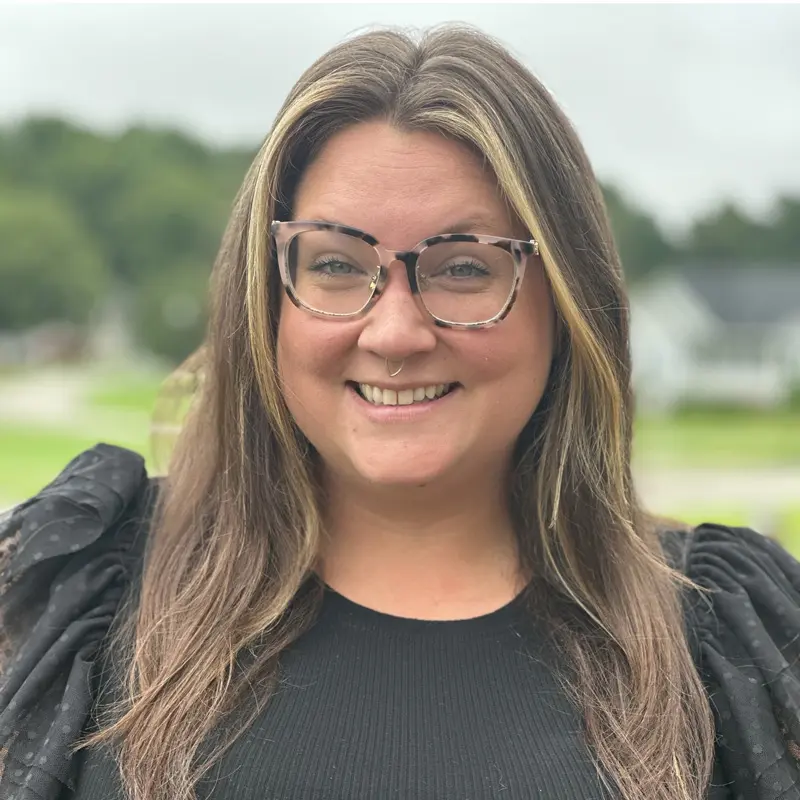

Parents researching ABA clinics often feel like every program promises the same results, yet day-to-day experience can look very different. In this article, Alice Okamoto, MA, BCBA, LBA, Chief of Staff at Cardinal Pediatric Therapies, explains what quality looks like in a clinic setting, which children often thrive there, and how teams keep progress clear for families.
Her perspective reflects how Cardinal Pediatric Therapies structures clinic based ABA therapy around individualized goals, steady routines, and daily data so families understand what is happening, why it is happening, and what changes first.
Which Children Often Do Well In A Clinic Setting And Why
ABA clinics can be a strong match for children who need predictable structure and repeated practice to build skills that show up in everyday life. Alice explains ABA in plain language, “ABA therapy teaches children new skills to be as independent and fulfilled as possible.” In a clinic setting, teams can teach those skills with consistent routines and carefully planned learning opportunities across the week.
Children who often thrive in center based ABA therapy tend to benefit from the clinic environment for reasons like these
- They struggle with transitions, waiting, or shifting from preferred to non-preferred activities
- They need frequent practice to build communication that replaces challenging behavior
- They respond well to consistent routines and clear expectations
- They benefit from a setting that can reduce distractions when learning feels hard
Alice also describes common ABA goals as reducing behaviors that are “socially inappropriate or unsafe” while teaching new skills such as “communication, play, classroom readiness, daily living, social, etc.” That range matters because a clinic can rotate through different learning moments in a session, rather than relying on one format all day.

How A Clinic Environment Supports Routines And Transitions
Many families consider clinic based ABA therapy because transitions have become the hardest part of the day. ABA clinics often help by making routines predictable and practicing transitions repeatedly in a safe setting.
Alice also clears up a misconception about what therapy looks like. Some goals may require table work when the task requires it, but “a lot of therapy is more naturalistic,” meaning skills can be taught through play and in different setups. A quality clinic uses structure to support learning, not to force one rigid style.
Clinic features that commonly support routines and transitions include the following
- Predictable schedules that reduce uncertainty
- Consistent transition cues, such as visuals, short warnings, and timers
- Frequent practice of start and stop moments with coaching and reinforcement
- Teaching tolerance skills in small steps, not all at once
How ABA Clinics Build Peer Learning Safely
Parents often want peer learning, but they also worry about safety and overwhelm. ABA clinics can build peer learning in a structured way, using individualized goals and thoughtful pacing so children learn social skills without setting them up to fail.
Alice’s emphasis on individualization applies here. She notes that age matters, but “current support requirements, family priorities, and developmental level are crucial,” and it is “critical to meet children where they are now and grow skills from there.” A quality clinic uses that same lens when introducing peer moments.
Safe peer learning in ABA clinics often includes practices like these.
- Matching children for shared activities based on tolerance and support needs
- Starting with short peer interactions that have clear structure
- Teaching communication for boundaries, such as requesting space or help
- Building up to group routines once the child can tolerate small demands
Peer learning also works best when clinics track it with data, not impressions, so the team can adjust before frustration becomes a pattern.

What Parents Should Look For In A Quality ABA Clinic
When families compare ABA clinics, quality shows up in goal selection, supervision, data practices, and communication. Alice explains that treatment plans should include individualized goals covering a range of domains, and goals should be “socially significant,” meaning important to the child and family. She also explains how decisions stay data-driven, with choices guided by “child-specific data that is taken on a daily basis.”
Quality indicators parents can look for in center based ABA therapy include the following
- Clear goals tied to daily functioning, not just clinic-only tasks
- A plan to reduce unsafe behavior while teaching functional communication
- Regular data review that answers what is working, what is not working, what can change
- Program modification that happens when data shows a need, not only on a fixed timeline
Parents can also ask about supervision. Alice suggests parents ask about the pairing process, program modification, and parent collaboration and training. Those answers reveal whether the clinic invests in relationships and uses oversight to keep programming consistent.
How Clinics Communicate Progress Simply And Clearly
Families deserve progress updates that feel understandable, not filled with jargon. Alice explains that behavior analysts adjust and modify interventions throughout treatment, and decisions are made based on daily data. She also notes that plans get updated on an ongoing basis as data is analyzed, with formal updates typically required every six months for insurance approval.
Clear progress communication in clinic based ABA therapy usually includes these elements
- Plain-language updates connected to real routines at home and school
- Simple explanations of what the team measured and what changed
- Trends over time, not single-session snapshots
- Specific next steps when the data shows a plateau
Alice also sets realistic expectations for early progress. “Within the first 30 days, we emphasize what we call pairing,” meaning building “a safe and trusting relationship” with the therapist. She also normalizes that the early weeks may not show big goal gains, “We don’t usually expect the first several weeks to be easy or necessarily show lots of progress with goals,” because children are still warming up to therapy.

How ABA Clinics Support Consistency With Schedules And Staffing
Consistency matters in in clinic ABA therapy because learning depends on repeated practice, predictable routines, and stable relationships. Families often worry about cancellations, staffing gaps, or frequent therapist changes. While every clinic manages these realities differently, quality programs make consistency a priority and communicate changes early.
Alice’s process descriptions reinforce that structure and planning matter. She describes intake and assessment steps, and she emphasizes that scheduling is determined throughout the process with family availability and medical recommendations in mind. That planning mindset also applies to ongoing services, protecting routine while staying flexible when a child’s needs change.
Ways ABA clinics often support consistency include the following
- A predictable weekly schedule that stays steady when possible
- Supervision systems that keep programming consistent across staff
- Clear procedures for covering sessions and maintaining treatment integrity
- Parent collaboration so strategies remain stable outside the clinic
Consistency also improves when clinics coordinate with related services. Alice explains that during intake, teams ask about services such as speech and OT and use releases to coordinate, supporting an aligned service package across providers.
Making A Confident Clinic Choice
ABA clinics work best when the program matches your child’s current needs and the clinic can explain its approach in plain language. Alice Okamoto’s guidance highlights the core quality signals, socially significant goals, trust-building through pairing, data-driven adjustments, and clear communication that families can understand.
When center based ABA therapy supports routines, teaches functional communication, and plans for generalization from the beginning, many families see skills show up beyond the clinic in home routines, school readiness, and safer community participation through clinic based ABA therapy that stays individualized and measurable.