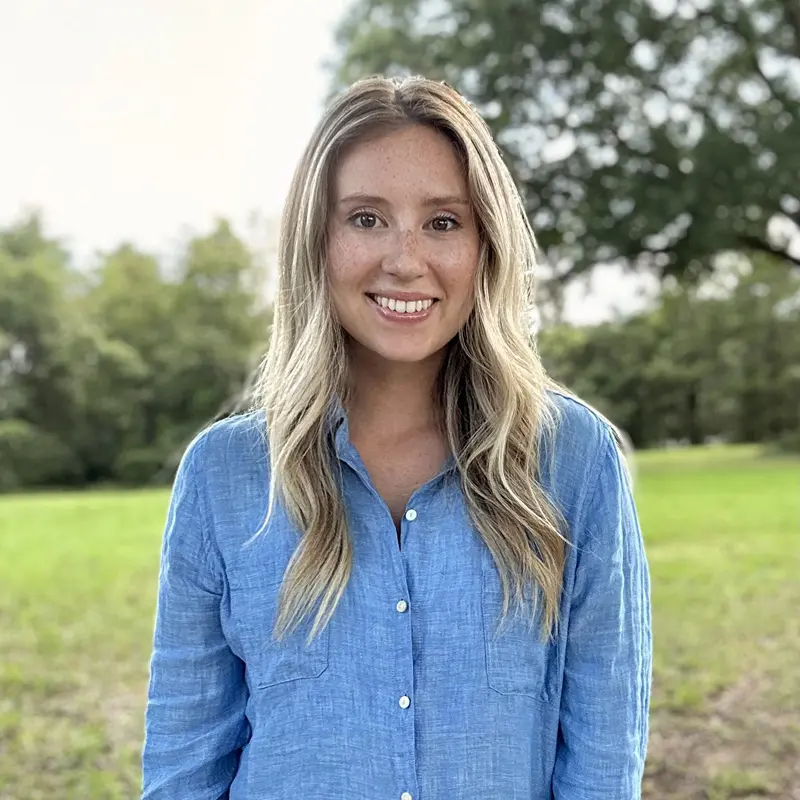

Center based ABA therapy can feel like a big decision for families who have tried weekly therapy, school supports, or home routines that still fall apart during transitions and demands. For this post, Alice Okamoto, MA, BCBA, LBA, Chief of Staff at Cardinal Pediatric Therapies, explains how clinicians think about the clinic setting, what quality looks like, and how skills learned in a center can carry into home and community life.
Her answers reflect how Cardinal Pediatric Therapies builds ABA therapy services around individualized goals, data-driven decisions, and realistic expectations in the first months.
In Clinic ABA Therapy And Why Some Children Thrive In A Center
In clinic ABA therapy often works well for children who benefit from predictable structure and repeated practice across the week. Alice explains ABA in plain language, “ABA therapy teaches children new skills to be as independent and fulfilled as possible.” The clinic setting supports that work by offering routines, clear expectations, and consistent learning opportunities that can be hard to replicate elsewhere.
Children who tend to do well in center based ABA therapy often share needs like these
- They struggle with transitions, waiting, or shifting from preferred to non-preferred tasks
- They need frequent practice to build communication that replaces challenging behavior
- They respond well to structured routines and consistent expectations
- They benefit from a setting designed to reduce distractions when learning feels hard
A center setting also supports the wide range of goals Alice describes, reducing “socially inappropriate or unsafe” behaviors while teaching “communication, play, classroom readiness, daily living, social, etc.” That mix matters because progress usually comes from building skills that replace what a child used to do to get needs met.

How Center Based ABA Therapy Supports Routines And Transitions
Families often choose center based ABA therapy because mornings, after-school time, or community outings have become unpredictable. In a clinic environment, the team can build routines on purpose and practice transitions many times without the pressure of a real-world deadline.
Alice also clarifies a common concern about what therapy looks like. She notes that some goals may require table work when a task requires it, but “a lot of therapy is more naturalistic,” meaning skills can be taught through play and across different setups. That flexibility helps clinics support routines without turning every moment into rigid drill work.
A clinic setting supports routines and transitions through features like
- Predictable schedules that reduce anxiety about what comes next
- Consistent transition cues, such as visuals, timers, and short warnings
- Repeated practice of start and stop moments with coaching and reinforcement
- Thoughtful pacing that builds tolerance without escalating distress
When a child learns that transitions are safe and predictable, families often see less resistance across the day.
Clinic Based ABA Therapy And Sensory Needs In The Day To Day
Parents often worry that ABA clinics will ignore sensory needs or push through discomfort. A quality clinic plans for sensory needs as part of daily programming and it teaches communication and coping skills so children can advocate for themselves.
Alice emphasizes individualization across support needs and developmental levels, and she highlights that it is “critical to meet children where they are now and grow skills from there.” That approach applies to sensory needs too. A clinic can support regulation while still teaching participation skills that matter for school and community life.
In clinic supports for sensory needs often include
- Choice of where learning happens, table, floor, quiet corner, movement area
- Planned breaks that teach a child how to reset without avoiding the whole task
- Communication targets that let a child request help, pause, or a different setup
- Gradual exposure to tolerating small demands in a safe way

ABA Clinics And How Skills Generalize To Home And Community
A common question about ABA clinics is whether skills learned in a center will show up at home. Generalization does not happen by accident. It improves when goals match daily life, when caregivers understand the plan, and when the team teaches skills across different activities and people.
Alice explains that ABA goals focus on helping a child communicate and function in daily life, and she describes decisions being guided by child-specific data taken each session. That day-to-day measurement helps the team see whether skills are staying in the clinic or transferring to the places families need them.
Generalization tends to improve when clinics build in strategies like
- Teaching the same skill across play, routines, and learning activities
- Practicing with different staff members so the skill does not depend on one person
- Including parent collaboration and parent training so home responses stay consistent
- Coordinating with speech and OT when families approve information sharing
Cardinal describes coordination with related therapies as part of building an aligned service package, and this can help families reduce mixed messages across providers.
What Parents Should Look For In A Quality ABA Clinic
Parents often compare providers by commute time or availability, but quality shows up in clinical structure, supervision, and how the team communicates progress. Alice describes data-driven decision-making as adjusting and modifying interventions throughout treatment and making decisions based on daily data. She also recommends that parents ask about the pairing process and how the team ensures it is effective, plus program modification, parent collaboration, and parent training.
When you evaluate center based ABA therapy providers, look for signs like
- Clear explanation of goals that are socially significant for your child and family
- A consistent method for collecting data and reviewing it frequently
- Evidence of plan changes when data shows something is not working
- A meaningful process for caregiver collaboration, not only quick updates at pickup
Quality also includes supervision and staffing clarity. The Behavior Analyst Certification Board outlines the BCBA credential and role expectations here.
A clinic that can explain supervision, data review, and treatment adjustments in plain language usually communicates better across the entire care process.

Pros And Cons Of Center Based ABA Therapy For Families
Parents deserve a balanced view. Center based ABA therapy has strong benefits for many children, and it also has tradeoffs families should plan for.
Pros families often experience with clinic based ABA therapy include
- Predictable routines that support learning readiness and smoother transitions
- More frequent practice opportunities that can accelerate skill building
- Built-in structure that helps teams collect consistent data across sessions
- Natural opportunities to practice peer-related skills in shared spaces
Cons families often need to plan around include
- Transportation and scheduling logistics across the week
- The need to intentionally program generalization to home and community
- Adjustment time at the start while the child warms up to the setting
Alice sets expectations for early progress by explaining pairing, “Within the first 30 days, we emphasize what we call pairing,” meaning a safe and trusting relationship. She also notes that the first weeks may not look easy, and families should not expect immediate goal mastery while a child acclimates. That framing helps families interpret the early phase of center based ABA therapy without assuming something is wrong.
Making The Setting Work For Your Child
Center based ABA therapy fits best when the clinic structure matches your child’s learning needs and your family can support consistent attendance. Alice Okamoto’s guidance highlights what quality clinics do well, they prioritize trust early, teach meaningful skills across domains, and make changes based on daily data rather than assumptions.
When a clinic builds routines and transitions with care and it plans for generalization from the start, many families see skills show up beyond the center in home routines, school readiness, and safer community participation.