
School-Based ABA Therapy: How It Compares to Other Delivery Models
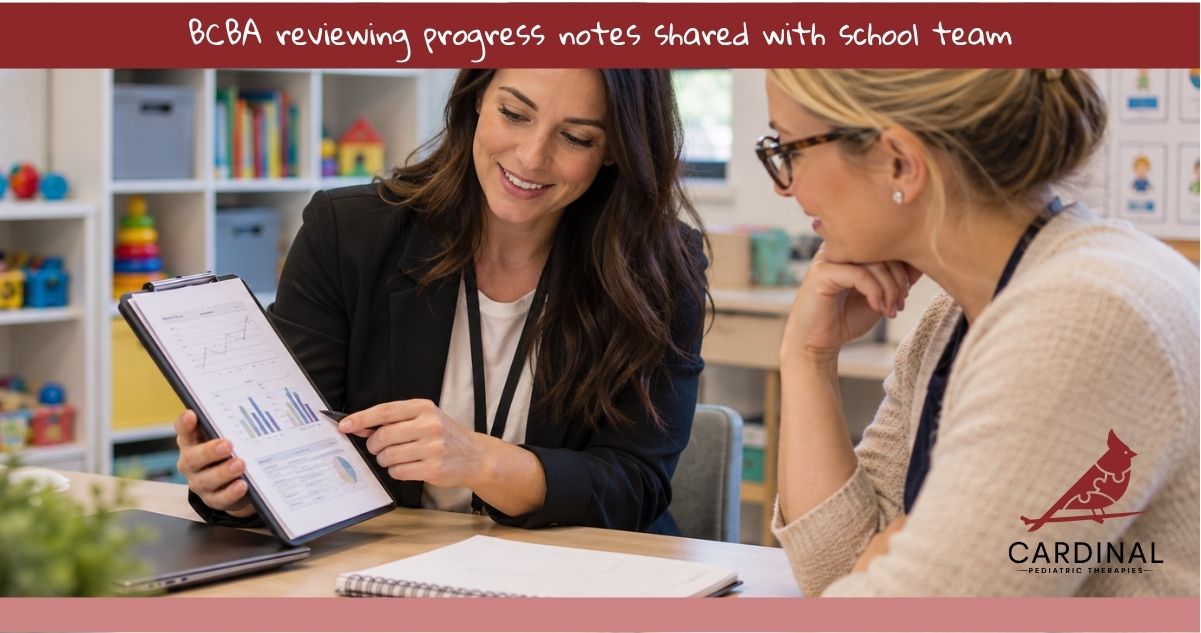
School-based ABA therapy means a behavior analyst or technician works with a child right inside their classroom, alongside their teacher. It’s one of four common ways ABA gets delivered; the others are center-based, in-home, and a hybrid of the two. No single model is automatically the best fit for every
Calming Sensory Activities for Autism: What to Try in the Moment
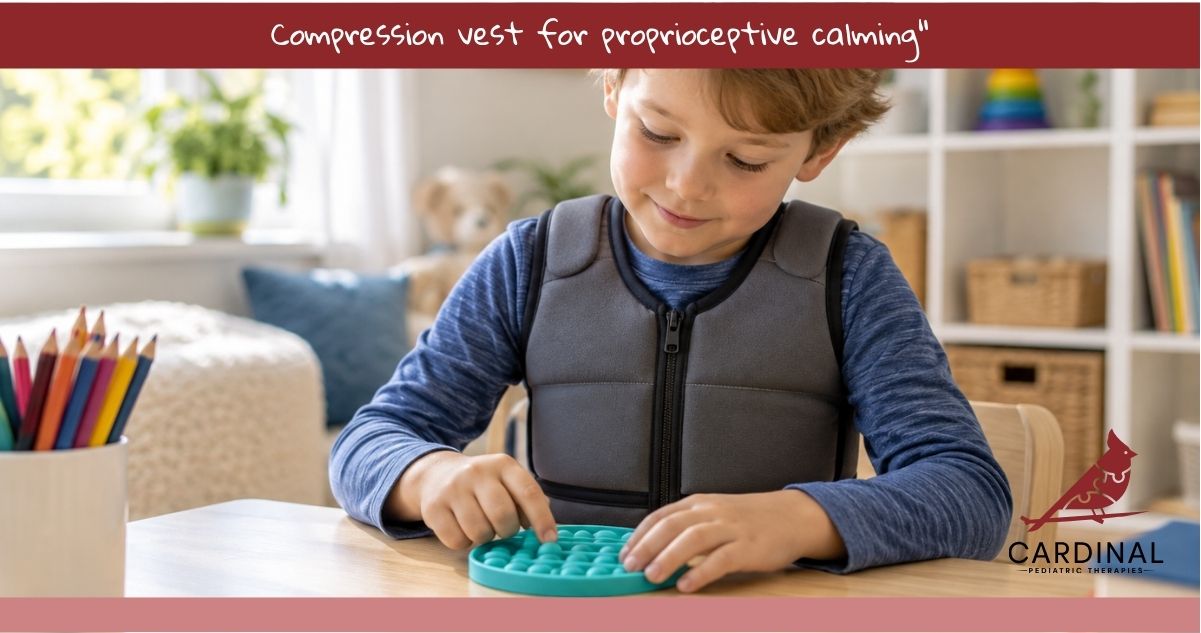
When a child with autism is overwhelmed, the sensory techniques that help most are different from the general sensory activities used for everyday play. Deep pressure a firm hug, a weighted blanket, or compression is one of the most consistently supported in-the-moment calming techniques, alongside slow rhythmic movement and reducing
Positive Reinforcement in ABA Therapy: Preparing Kids for the Classroom
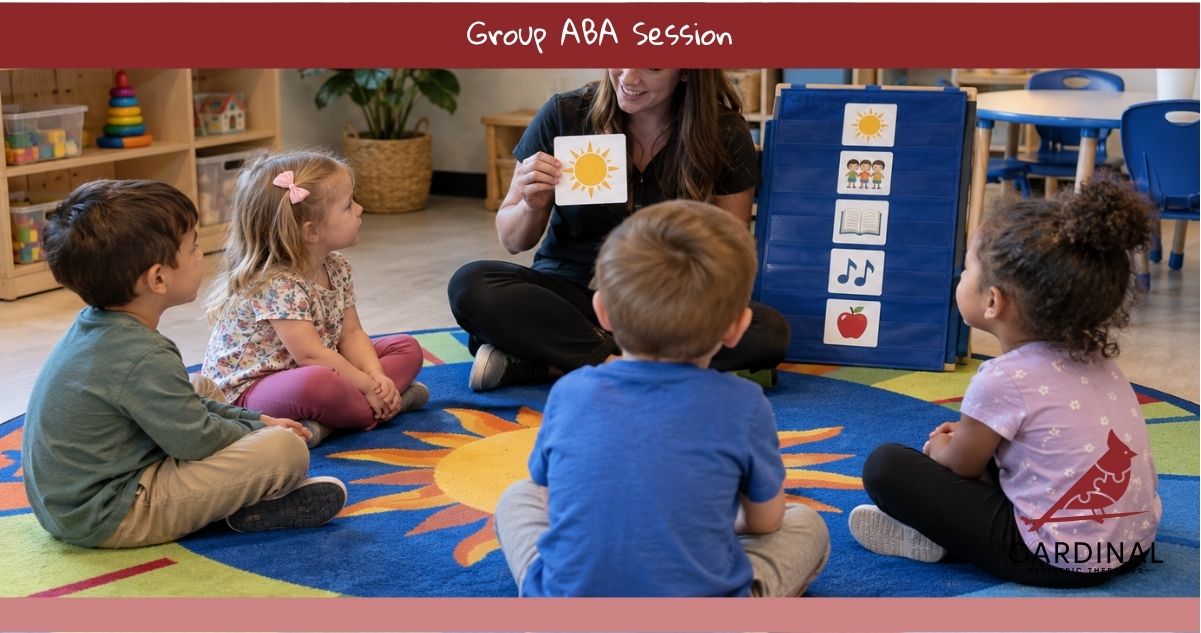
Positive reinforcement means a child receives something motivating after a target behavior, making that behavior more likely to happen again. In early ABA therapy, that reinforcement is usually immediate and frequent: a token, praise, or preferred activity after nearly every success. As a child moves toward classroom readiness, the reinforcement
Sensory Activities for Preschoolers with Autism
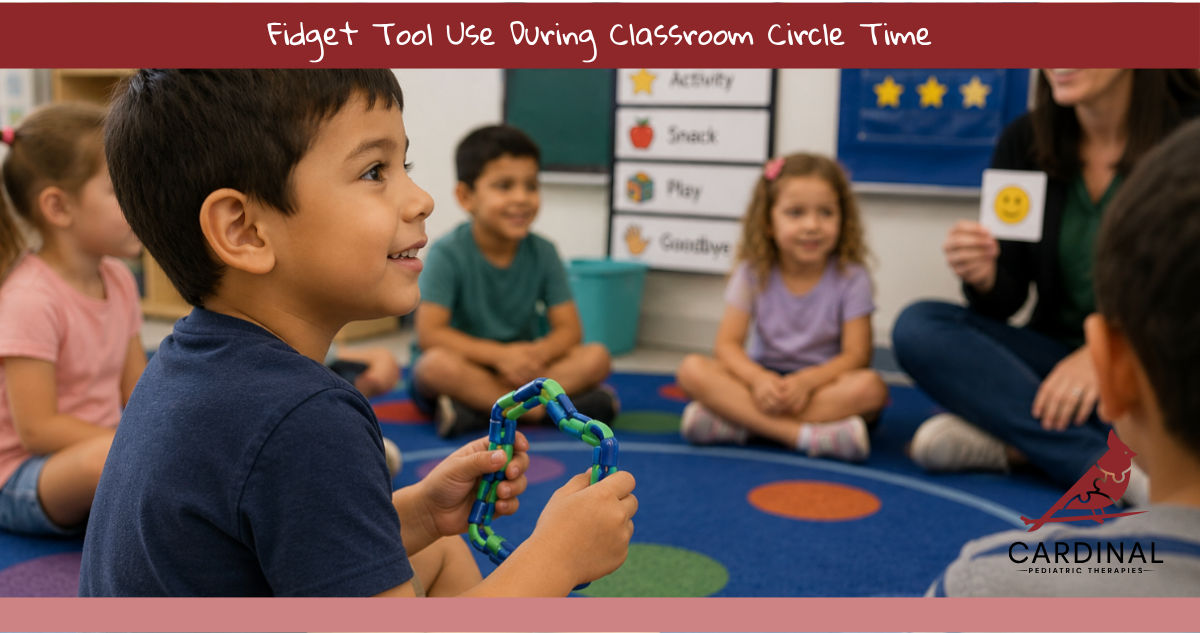
Preschool can be an overwhelming environment for our kids with autism: group noise, unpredictable transitions, fluorescent lighting, and long stretches of sitting still. For us, it’s important to have classroom sensory strategies, scheduled breaks, specific tools, and predictable routines to help a child stay regulated enough to participate, rather than
Task Analysis in ABA Therapy: How It Works
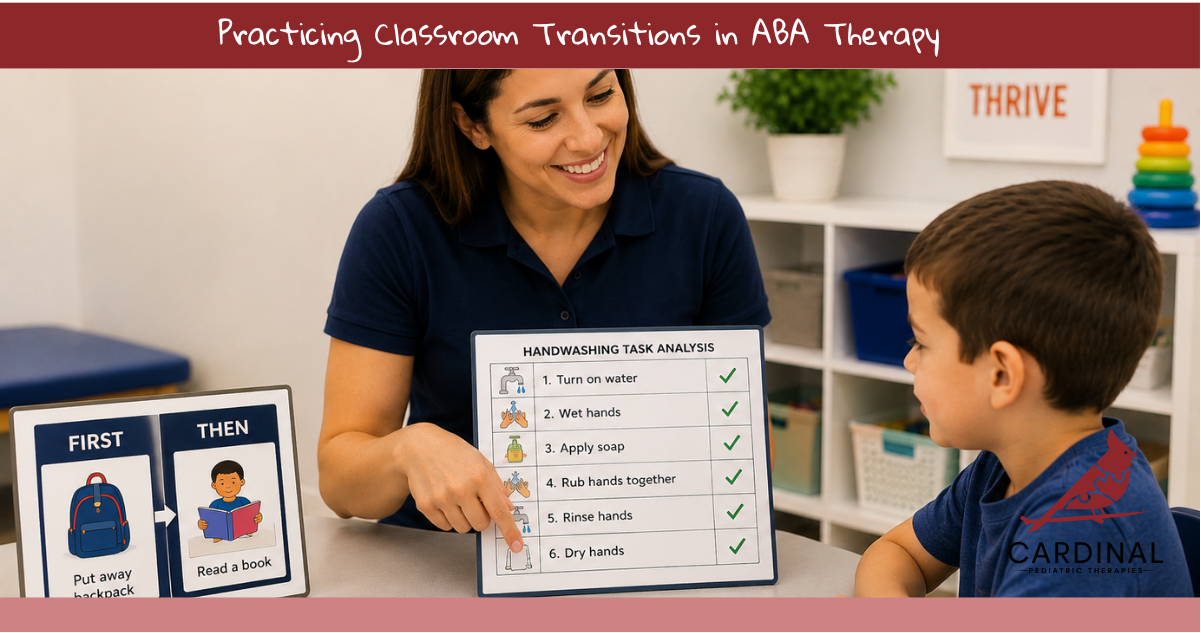
Task analysis is the process of breaking a complex skill into smaller, teachable steps. Skills that look automatic to an adult, washing hands, packing a backpack, lining up for recess, are actually made up of many small actions performed in order. In ABA therapy, our behavior analysts identify each step,
Transitioning to Kindergarten with Autism
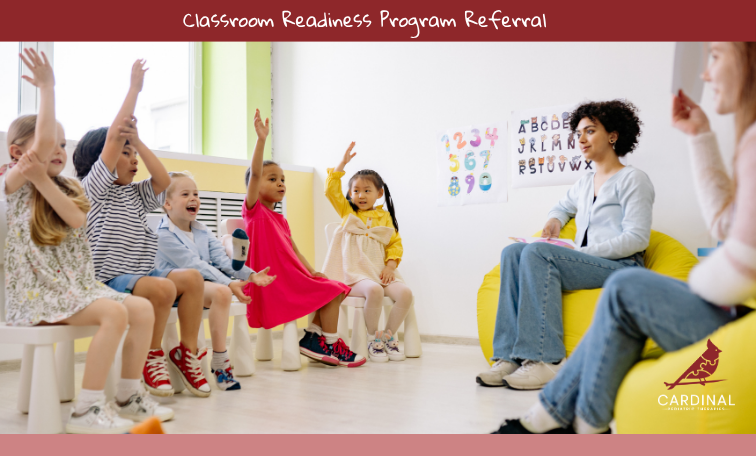
Transitioning to kindergarten with autism brings up a specific kind of worry, not just “will my child be okay,” but “am I doing enough right now to actually get them ready.” Alice Okamoto, MA, BCBA, LBA and Chief of Staff at Cardinal Pediatric Therapies, breaks down what actually predicts a

Preschool Classroom Activities for Kids with Autism
If you’re looking for preschool autism classroom activities, you probably want more than a generic list; you want activities that actually build the skills your child will need once they’re sitting in a real classroom. Below are practical, play-based activities organized by the skill each targets, along with the reasoning
ABA Therapy in Schools: What It Actually Means for Your Child
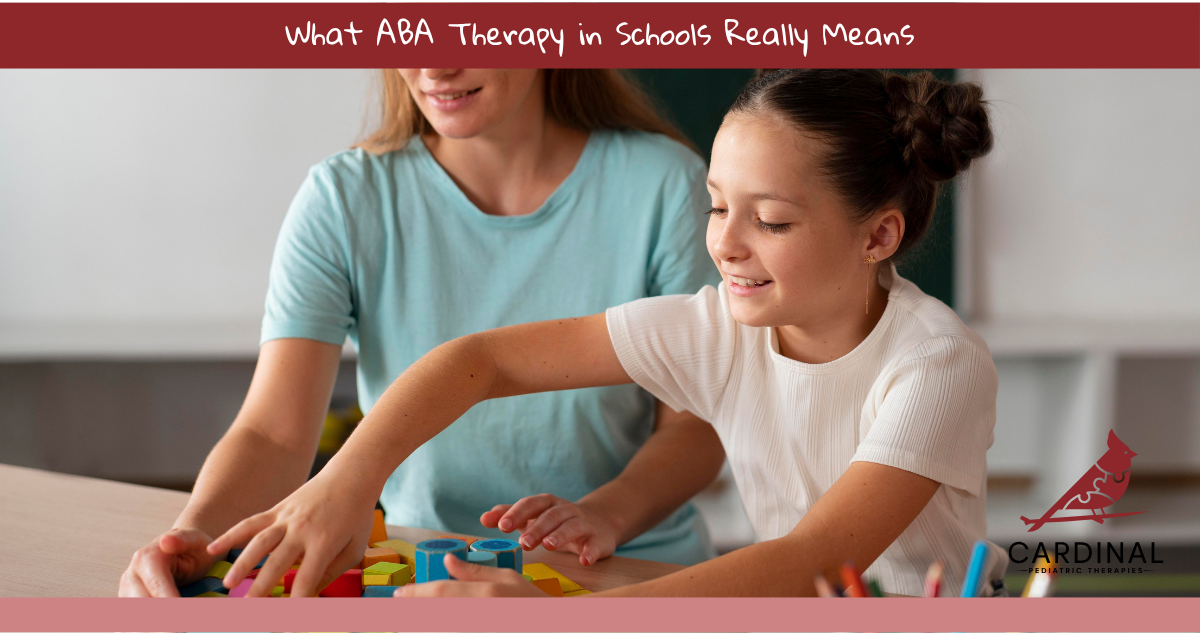
If you’re searching for ABA therapy in schools, you’re probably picturing a therapist sitting with your child at their desk every day. That’s one version of it, and it isn’t what every family actually needs, or has access to. Here’s what the term usually means, some real numbers on how
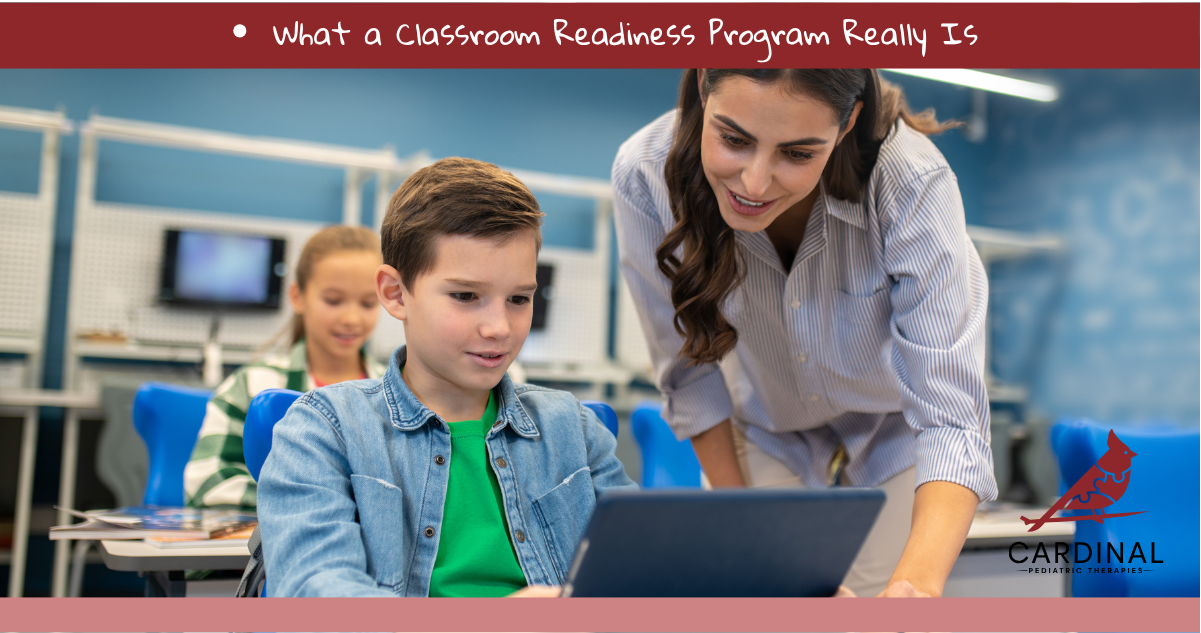
What Is a Classroom Readiness Program?
If your child’s individual ABA therapy is going well and someone has mentioned moving them into a classroom readiness program next, you’re probably wondering what that actually means in practice. In this article, Alice Okamoto, MA, BCBA, LBA and Chief of Staff at Cardinal Pediatric Therapies, explains what a classroom
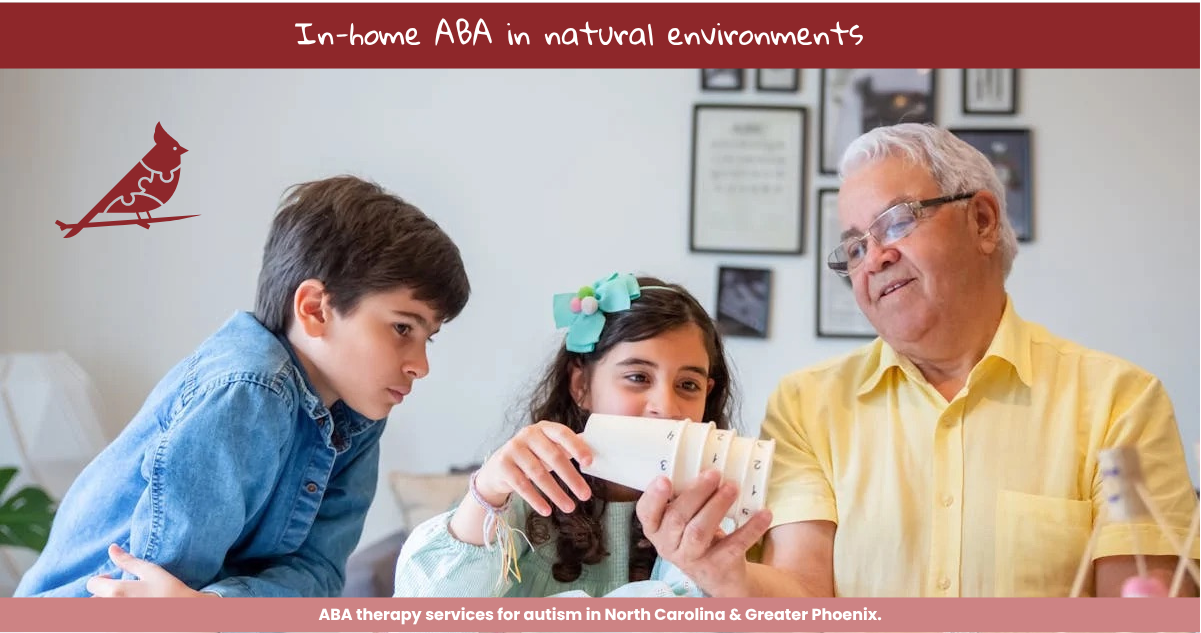
How to Get Started with In-Home ABA Therapy
Getting started with in home aba therapy at Cardinal Pediatric Therapies is a streamlined process designed to eliminate administrative stress for parents. The intake journey begins with a brief ten minute consultation call to gather basic diagnostic details. From there, our dedicated coordinators handle the heavy lifting, including insurance verification and securing necessary medical authorizations. Whether you reside in North Carolina or Arizona, families can typically expect their initial clinical home assessment to be scheduled within two to four weeks of their first official contact.

Benefits of In Home ABA Therapy for Children With Autism
When evaluating behavioral intervention settings, parents frequently compare the benefits of aba therapy across home and clinic environments. At Cardinal Pediatric Therapies, our home model prioritizes natural environment teaching and immediate skill generalization. By embedding positive reinforcement directly into existing family routines, children learn functional independence exactly where they need to use it. This approach minimizes transition anxiety and empowers caregivers through active daily participation. Discover how practicing communication and daily living skills in familiar spaces creates sustainable, long term developmental progress for your child.

How to Prepare Your Home for ABA Therapy Sessions
You’ve decided on in-home ABA therapy, your first session is coming up, and now you’re wondering what you actually need to do before the therapist arrives. The honest answer is less than you think. In this article, Alice Okamoto, MA, BCBA, LBA and Chief of Staff at Cardinal Pediatric Therapies,
Does Insurance Cover In-Home ABA Therapy?
Most commercial health insurance policies and state Medicaid programs provide coverage for applied behavior analysis. When parents ask if insurance covers in home ABA therapy, the answer is usually yes. This requires a qualified physician to prescribe it as medically necessary for an autism spectrum disorder diagnosis. Every state has mandates requiring some level of autism service coverage. While specific out of pocket costs and session limits vary by plan, verifying your benefits is a straightforward process that will clarify your available financial options today.
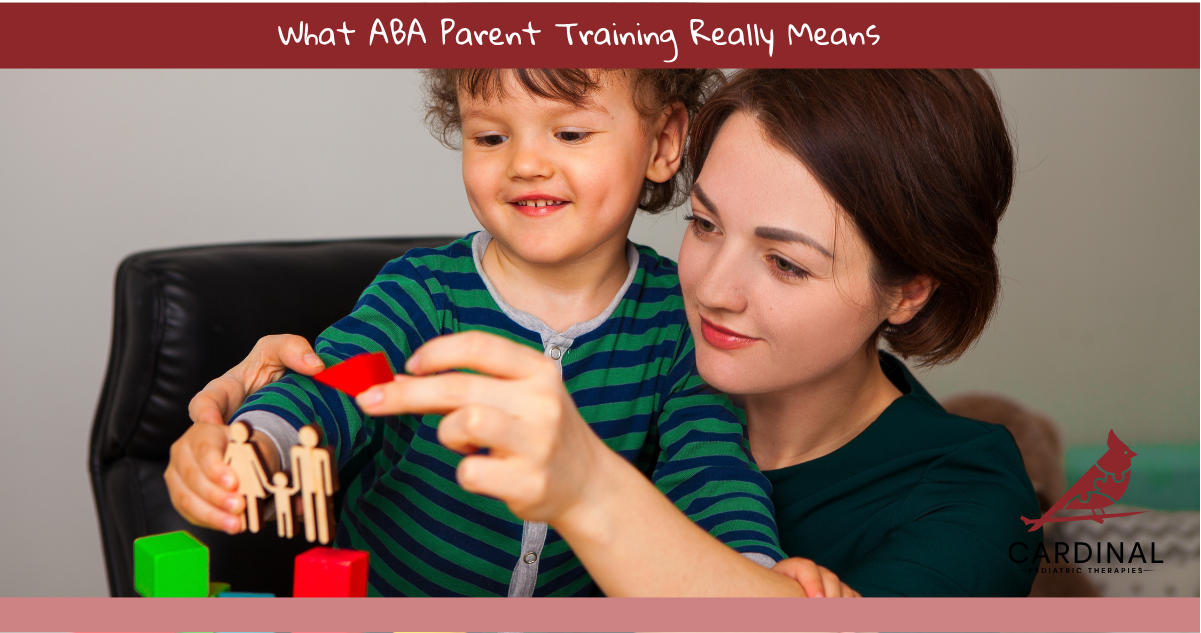
Parent Training in In-Home ABA Therapy: What Cardinal Families Learn
When people hear “aba parent training,” they usually picture a class, something separate from actual therapy, homework on top of everything else. That’s not quite it. In this article, Alice Okamoto, MA, BCBA, LBA, and Chief of Staff at Cardinal Pediatric Therapies, explains what parent training really looks like woven

AT What Age Is ABA Therapy Most Effective For Children With Autism?
When families receive a new autism diagnosis, their first question is usually what age is best for ABA therapy. Clinical research consistently shows that ages two to six yield the strongest outcomes because the young brain is highly adaptable. This early window allows behavior analysts to introduce foundational communication and daily living skills before challenging behaviors take root. However, there is no expiration date on learning. Older children and teenagers still achieve meaningful progress through tailored clinical support that targets school readiness and independent living.
What to Expect from In-Home ABA Therapy
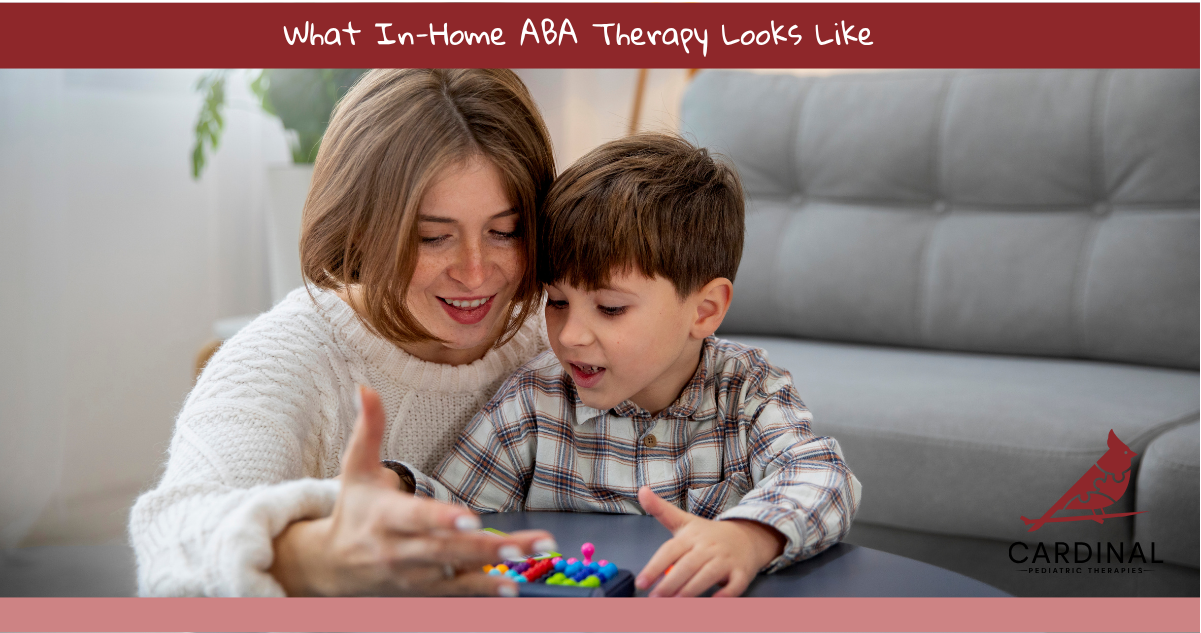
If you’re weighing in-home ABA therapy for your child, you probably have one honest question underneath all the research: what actually happens when a stranger comes into our house to work with my kid? In this article, Alice Okamoto, MA, BCBA, LBA and Chief of Staff at Cardinal Pediatric Therapies,

How to Do ABA Therapy at Home?
In home ABA therapy brings professional behavioral support directly into your child’s natural environment to build functional skills where they are used most. A therapist works one on one with your child on specific goals like communication and social interaction. This model utilizes your child’s own toys and routines to teach skills that integrate into daily life. Instead of practicing in a clinic, the therapist helps your child navigate real world challenges at home. Every session provides growth and creates a path toward lasting independence.

How Does In-Home ABA Therapy Work?
In home ABA therapy works by bringing professional behavioral support into your child’s natural environment to build functional skills. Instead of practicing in a clinic, a therapist works one on one with your child using their own toys and routines. This model helps children apply lessons where they are actually needed. The process focuses on mechanics like rapport building and data collection to ensure progress while making sessions feel like a natural part of your daily life.

Positive Behavior Support for Autism, A Parent-Friendly Guide
When days feel tense, it helps to have a clearer way to think about behavior. This guide explains what positive behavior support autism can look like in real family life, what skills often come first, and why generic advice usually falls apart once it meets your child’s actual needs. At
ABA Parents Training: What Clinicians Teach First and Why It Works
ABA parent training gives caregivers practical tools to support communication, reduce daily stress, and carry progress beyond therapy sessions. This article explains what Cardinal Pediatric Therapies teaches first, why generic advice often fails, and how coaching changes based on age, communication, and real family routines. Using insights from Alice Okamoto, it shows how parent support can improve consistency, confidence, and meaningful progress at home without overwhelming already busy families.